
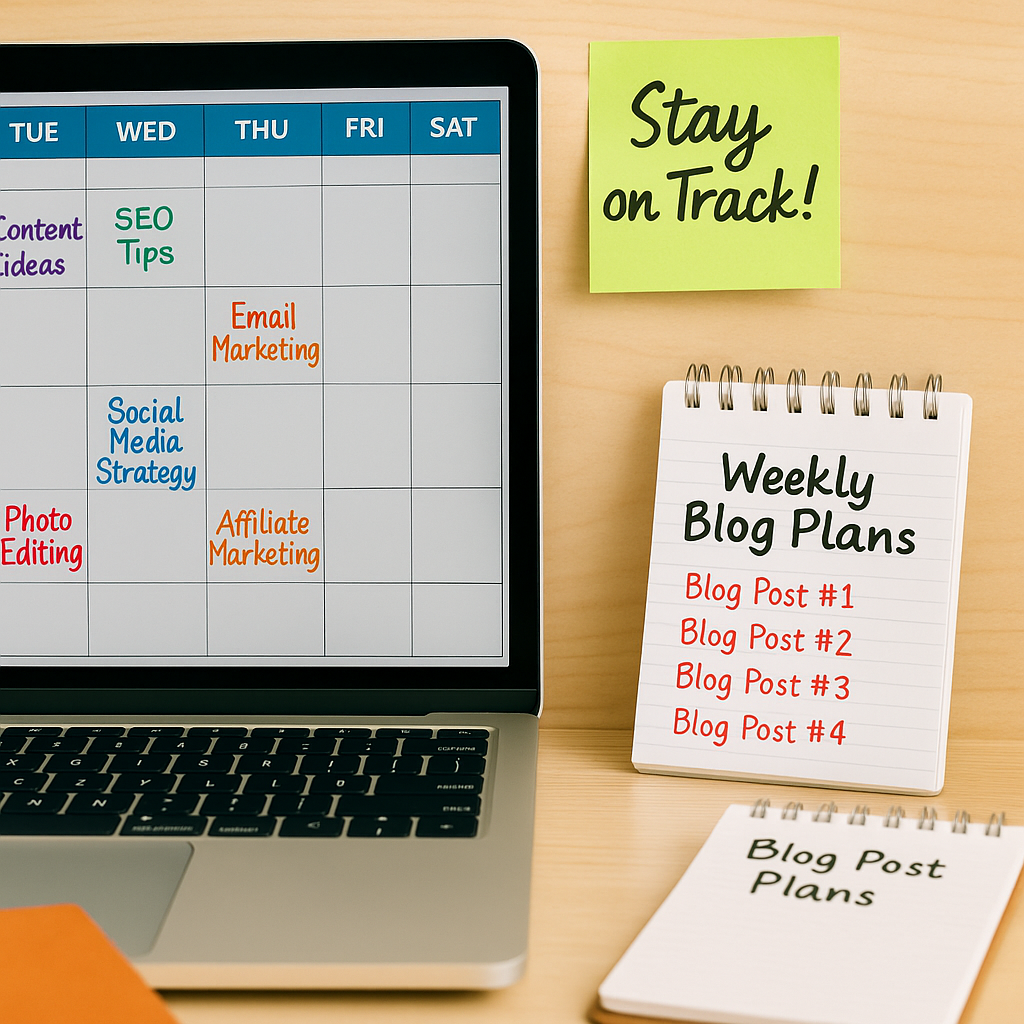
You sit down to plan your content calendar and hit a wall. Daily? Weekly? Once a month?
If you keep asking yourself how often you should post on a blog, you’re not alone. It’s one of the most common questions new bloggers ask.
Here’s the truth. There’s no magic number. But there is a smart range, and the right pick depends on your goals, your time, and your stage.
In this guide, I’ll walk you through what works. You’ll get clear schedules, simple examples, and tips to stay consistent. This post is part of our bigger guide on content marketing for bloggers: how to grow traffic and authority. Think of it as one piece of that puzzle.
The Short Answer
Let’s get the quick version out of the way first.
The Range Most Bloggers Should Aim For
For most blogs, one to three quality posts per week is a solid target. That’s enough to build a habit and give search engines fresh content. It’s also small enough that you won’t burn out.
If that sounds like too much, start with one post every week. If it sounds too small, you can scale up once you have a system.
Why “It Depends” Is Actually Useful
I know “it depends” feels like a cop-out. But it’s true here.
A solo blogger with a full-time job can’t match a team of ten writers. A food blogger has different needs than a B2B software blog. Your niche, budget, and time all shape your ideal schedule.
So instead of copying someone else, you’ll build your own plan. The rest of this post shows you how.
Why Posting Frequency Matters
Before we pick a number, let’s look at why the schedule matters at all.
It Helps Your Search Visibility
Search engines like sites that stay active. Each new post gives Google another page to find and rank.
More pages also mean more chances to show up for different searches. A blog with 100 helpful posts usually pulls in more traffic than a blog with 10.
Frequency isn’t a direct ranking factor, though. Google doesn’t reward you for posting more often. It rewards useful content. Posting often just gives you more shots at creating it.
It Builds Trust With Readers
Readers notice when a blog goes quiet. If your last post is eight months old, visitors wonder if you’re still around.
A steady schedule sends a clear message. It says you’re active, reliable, and worth following. That trust leads to email signups, return visits, and shares.
It Makes You a Better Writer
This one gets overlooked. Every post you publish teaches you something. You learn what topics hit, what headlines work, and how your voice sounds.
Bloggers who post regularly improve much faster than those who publish rarely. Practice really does help.
Posting Frequency by Blog Stage
Your ideal schedule changes as your blog grows. Here’s how to think about each stage.
Brand-New Blogs
If you just launched, aim for two to three posts per week for the first few months. Yes, that’s a lot. But there’s a reason.
A new blog has no content and no authority. You need a base of posts so search engines and readers can understand what you’re about.
Can’t manage that pace? One post per week still works. Just stay consistent.
Also, don’t launch with an empty site. Publish five to ten posts before you start promoting. That gives new visitors something to explore.
Growing Blogs
Once you have 30 to 50 posts, you can shift your focus. Now it’s about depth and quality.
Many growing blogs do well with one or two posts per week. Use the extra time to update older posts, build links, and promote your best content.
At this stage, you’ll start seeing which topics bring traffic. Double down on those.
Established Blogs
Blogs with strong traffic and lots of content have more freedom. Some publish daily. Others post twice a month.
What matters here is results, not volume. Many big sites publish less often but go far deeper on each post. Long, well-researched guides can outperform a dozen thin ones.
If your blog is mature, look at your data. Then decide where new content will help most.
Quality vs. Quantity: Which Wins?
This debate never dies, so let’s tackle it head-on.
Why Quality Usually Wins
One great post beats five weak ones. A weak post can hurt you. It may rank poorly, bore readers, or make your brand look careless.
A strong post keeps working for years. It earns links, shares, and steady traffic. That’s a big return on one piece of work.
Why Quantity Still Counts
Here’s the catch. You can’t improve without publishing. Some bloggers wait for perfect and never hit publish.
Quantity gives you practice and data. It shows you what your audience wants. So think of it as a balance, not a battle.
A Simple Rule to Follow
Publish as often as you can while keeping every post helpful. If quality drops, slow down. If you have extra time and ideas, speed up.
That one rule will keep you on track better than any fixed number.
How to Find Your Ideal Posting Schedule
Ready to pick your own number? Follow these steps.
Step-by-Step Method
- List your goal. Are you after traffic, leads, sales, or authority? Each goal needs a different pace.
- Count your real hours. Be honest about how much time you have each week.
- Estimate time per post. A solid post often takes three to six hours, counting research, writing, editing, and images.
- Do the math. Divide your weekly hours by the time per post. That’s your realistic output.
- Cut it by 20%. Life happens. A small buffer keeps you from quitting.
- Test for 90 days. Stick to the plan, then review the results.
What to Track
After a few months, check your numbers. Look at these:
- Organic traffic growth
- Time on page
- Email signups per post
- Which posts bring the most visitors
If traffic grows and you feel good, keep going. If you feel drained, lower the pace.
Sample Posting Schedules You Can Copy
Not sure how this looks in real life? Here are three easy examples.
The Busy Beginner Plan
You work full time and have about five hours a week.
- One new post every week
- One quick update to an older post each month
- Social sharing done in batches on Sundays
This pace is slow but steady. It works well if you stay consistent.
The Growth Plan
You have around ten hours a week and want faster results.
- Two new posts per week
- One older post refreshed every two weeks
- One roundup or resource post each month
This plan builds content fast without wrecking your schedule.
The Authority Plan
You have a small team or full-time blogging hours.
- Three to four new posts per week
- A mix of short posts and long guides
- Weekly updates to top-performing posts
Use this only if you can protect quality. Otherwise, scale down.
Common Posting Mistakes to Avoid
Even smart bloggers slip up here. Watch out for these traps.
Posting Just to Hit a Number
Filler content doesn’t help anyone. If you don’t have something useful to say, don’t force it. Take a day, get fresh ideas, and try again.
Going Silent for Weeks
Long gaps hurt your momentum. Readers drift away, and you lose the habit.
If life gets busy, pre-write a few posts. Keep a small backup stash for emergencies.
Copying Another Blogger’s Schedule
Your favorite blogger may post daily. But they might have a team, a big budget, or years of authority.
Compare yourself to your own past results instead. That’s the only fair measure.
Ignoring Old Content
Many bloggers only chase new posts. But updating an old post can bring faster wins.
A fresh update can lift rankings within weeks. So don’t skip it.
How to Stay Consistent Without Burning Out
A schedule only works if you can keep it. Here are ways to make that easier.
Build a Content Calendar
Plan your posts a month ahead. A simple spreadsheet works fine.
Include the topic, keyword, publish date, and status. When you know what’s next, you waste less time deciding.
Read our complete guide on How to Create a Content Calendar for Your Blog.
Batch Your Work
Don’t switch tasks all day. Group similar jobs together.
For example:
- Research topics on Monday
- Write drafts on Tuesday and Wednesday
- Edit and add images on Thursday
- Schedule and promote on Friday
Batching saves energy and keeps your writing flow steady.
Repurpose Everything
One post can become many pieces. Turn a blog post into:
- A short social post
- An email to your list
- A few Pinterest pins
- A quick video or carousel
This gets more mileage from each idea. It also lets you stay active without writing something new every day.
Read our complete guide: How to Repurpose Blog Posts Into Social Media Content.
Use Evergreen Topics
Evergreen posts stay useful for years. They give you steady traffic without constant updates. Mix them in with timely posts, so your blog always has strong long-term pages.
How Posting Frequency Fits Into Your Bigger Strategy
Frequency is just one lever. It works best when it supports a clear plan.
Your posting schedule should connect to your goals, your audience, and your topics. It also needs a system for promotion and updates. Without that, you may publish often but see little growth.
That’s why we built our full guide on growing traffic and authority through content marketing. It shows how to choose topics, build topic clusters, and turn readers into loyal fans. Read it alongside this post, and your schedule will make a lot more sense.
Here’s one more tip. Group your posts around themes. When several posts support one main topic, search engines see you as an expert. That can help you rank with fewer posts overall.
Final Thoughts
So, what’s the best schedule for your blog? Start with one to three quality posts per week. Adjust based on your time, goals, and results.
Remember these key points:
- Consistency beats bursts of effort
- Quality should never take a back seat
- Your schedule should fit your real life
- Old posts deserve attention too
Pick a pace you can keep for the next 90 days. Then track what happens and tweak as you go. That’s how strong blogs get built, one steady post at a time.
Now it’s your turn. Choose your number, add it to your calendar, and write your next post.
FAQs
-
How often should a beginner blogger post?
Beginners should aim for one to three posts per week. If time is tight, one solid post weekly is enough. Focus on staying consistent.
-
Is it better to post daily or weekly on a blog?
For most bloggers, weekly is better. Daily posting is hard to sustain and often lowers quality. Post daily only if you have the time and team to keep content strong.
-
Does posting more often improve SEO?
Not directly. Google doesn’t reward volume alone. But more helpful posts give you more chances to rank and attract traffic.
-
Can I post once a month and still grow a blog?
Yes, but growth will be slower. Long, in-depth posts can work well at this pace. Pair them with regular updates to older content.
-
Should I update old posts or write new ones?
Do both. Refreshing older posts can bring quick ranking gains. New posts expand your topics and reach.
-
What happens if I stop posting for a while?
Your traffic may slow over time, and readers may lose interest. Prepare a small stash of backup posts, so you can stay active during busy periods.