
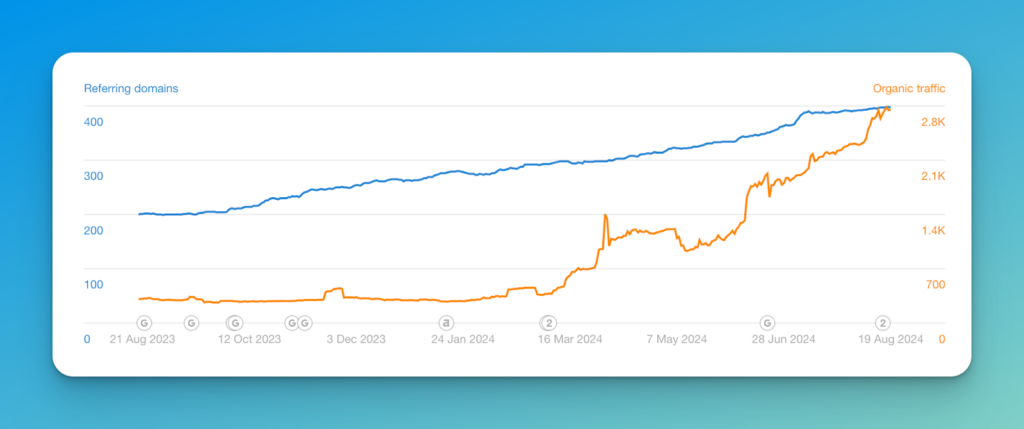
You’ve been building links for weeks. Maybe months. And your rankings? Barely moved.
Sound familiar?
Link building is one of SEO’s most powerful strategies — but also one of the most misunderstood. People expect fast results. Google doesn’t work that fast. Understanding the real timeline saves you from panic, bad decisions, and wasted money.
Let’s walk through exactly what to expect — and why patience genuinely pays off here.
First, What Does “Results” Even Mean?
Before we talk timelines, let’s get clear on what results actually look like.
Link building results can show up as:
- Higher keyword rankings on Google
- More organic traffic to your website
- Better domain authority or domain rating scores
- Increased visibility for new pages
- More referral traffic from the linking sites
Each of these moves at a different pace. Referral traffic can come quickly. Keyword ranking improvements take longer. Keep this in mind as you set expectations.
The Honest Answer: 3 to 12 Months
Most SEO professionals agree — link building typically takes 3 to 12 months to show meaningful results.
That’s a wide range. Here’s why:
- A brand new website needs more time than an established one
- Low-competition niches respond faster than highly competitive ones
- High-quality links from authoritative sites work faster than weak ones
- Google needs time to crawl, index, and evaluate the new links
Three months is the earliest most people see movement. Six months is more realistic. Twelve months is when the full picture usually becomes clear.
Don’t let this discourage you. The results that come from link building tend to stick around much longer than paid ads.
If you’d like to know how to get free backlinks, then read this guide – How to get backlinks for free – methods that actually work.
What Happens in the First Month?
The first month is mostly invisible work. But important things are happening behind the scenes.
Google Discovers the Links
Google’s bots crawl the web regularly. When a new link points to your site, Google needs to find it first. This can take days or a few weeks depending on how often Google crawls that site.
The Link Gets Indexed
Once Google finds the link, it needs to index it. Only indexed links pass any ranking signals. You can check this using Google Search Console.
No Big Ranking Jumps Yet
Don’t expect visible ranking changes in the first 30 days. It’s too early. Google is still processing the new signals.
What you should do in month one:
- Keep building more links
- Track your link acquisition in a spreadsheet or tool like Ahrefs
- Set up Google Search Console if you haven’t already
- Check that your new links are getting indexed
Months 2 and 3: Early Signals Start Appearing
By month two or three, you may start noticing small signs of progress.
What to Watch For
- Slight improvements in keyword rankings (positions 20 to 15, for example)
- Small upticks in organic traffic
- New keywords starting to rank that weren’t showing before
These small moves are meaningful. They signal that Google is starting to trust your site more.
Why Some Sites Move Faster
Sites with existing authority move faster. If your domain already has backlinks and traffic, new links add to an existing foundation. New websites start from zero, so the same effort takes longer to show results.
Tip: Focus on getting links from sites that are already indexed and have existing traffic. These pass link value faster.
Months 4 to 6: The Real Movement Begins
This is where most people start seeing noticeable results — if they’ve been consistent.
Rankings Start to Climb
Keywords that were sitting on page two or three start moving toward page one. This is where the effort starts paying off visibly.
Traffic Picks Up
Organic traffic increases become more obvious in your analytics. If you’ve been targeting the right keywords, you’ll see users arriving from search.
Domain Authority Grows
Tools like Moz or Ahrefs will show your domain authority or domain rating climbing. This reflects the cumulative effect of your link building efforts.
What keeps results moving forward:
- Consistent link building (don’t stop after a few wins)
- Targeting a mix of easy and competitive keywords
- Publishing high-quality content worth linking to
Months 7 to 12: Compounding Effects Kick In
Here’s where link building gets exciting. The results don’t just grow — they compound.
What Compounding Looks Like
- Each new link reinforces the authority of your older links
- Pages that rank well attract more organic links naturally
- Your entire website starts to benefit, not just the pages you built links to
Think of it like compound interest. Slow at first, then suddenly, the growth accelerates.
Links Earn More Links
When your content ranks on page one, more people find it. More people linking to it organically. This snowball effect is why long-term link builders always outpace short-term ones.
Factors That Speed Up (or Slow Down) Results
Not all link building campaigns move at the same pace. These factors play a huge role.
Factors That Speed Up Results
- Link quality: A link from a high-authority, relevant site is worth far more than ten links from random low-quality sites
- Link relevance: Links from sites in your niche carry more weight
- Anchor text: Relevant, natural anchor text helps Google understand what your page is about
- Content quality: Exceptional content earns links faster and ranks better
- Website age: Older, established websites respond to link building more quickly
Factors That Slow Down Results
- New website: Google takes time to trust brand-new domains
- Competitive niche: Finance, health, and legal topics face intense competition
- Slow crawl rate: If Google crawls your site rarely, new links take longer to register
- Toxic links: A history of spammy links can suppress your results
- Inconsistency: Building 10 links then stopping for two months hurts momentum
What Kind of Links Work Fastest?
Not all links are equal. Some move the needle faster than others.
- Editorial links from high-traffic blogs or news sites — fastest impact
- Guest posts on relevant, established websites — solid and reliable
- Resource page links from niche directories — steady long-term value
- Digital PR links from media outlets — high authority, major impact
- Forum or community links — slow to pass value, sometimes nofollow
Prioritize quality over quantity. One great link beats 50 weak ones every time.
Common Mistakes That Delay Results
People often slow down their own progress without realizing it. Here are the most common mistakes.
- Stopping too early: Many people quit at month two when nothing visible has happened yet
- Chasing quantity over quality: Bulk link schemes rarely work and can get you penalized
- Ignoring relevance: A link from an unrelated niche passes little value
- Not tracking properly: If you’re not measuring, you don’t know what’s working
- Neglecting on-page SEO: Links alone can’t fix a poorly optimized page
Link building works best as part of a complete SEO strategy. It’s not a standalone magic button.
How to Track Your Link Building Progress
Tracking keeps you sane during the waiting period. Here’s what to monitor:
- Google Search Console: Track impressions, clicks, and average position weekly
- Ahrefs or SEMrush: Monitor new backlinks, domain rating, and keyword rankings
- Google Analytics: Watch organic traffic trends month over month
- Rank tracking tools: Tools like SerpWatcher or AccuRanker track daily keyword movements
Set a monthly review date. Compare current numbers to last month. Look for trends, not just snapshots.
Realistic Timelines by Website Type
Different websites experience different timelines. Here’s a rough guide:
Brand new website (0–6 months old)
- Expect 6–12 months before significant movement
- Google applies a “sandbox” effect to new domains
- Focus on foundational links and excellent content
Established website (1–3 years old)
- Expect 3–6 months for noticeable improvement
- Existing authority helps new links work faster
Authority website (3+ years, strong backlink profile)
- Expect 1–3 months for visible results
- New links reinforce existing trust quickly
Is Link Building Still Worth It in 2026?
Absolutely. Despite all the changes Google makes to its algorithm, backlinks remain one of the top three ranking factors.
The approach has evolved. Spammy link buying and private blog networks are far less effective now. Authentic, earned links from real websites carry more weight than ever.
Quality beats quantity. Relevance beats randomness. Patience beats shortcuts.
If you invest in link building the right way, the results you earn tend to last for years — not just months.
The Bottom Line
Link building takes time. There’s no shortcut around that.
Most websites start seeing early signals in 2–3 months. Real movement happens between months 4 and 6. Full compounding results often take 6–12 months to fully materialize.
The key is to stay consistent, track your progress, and keep the quality high. Stop chasing quick wins and start building something that lasts.
The websites that dominate Google search results didn’t get there overnight. They got there because they kept going — even when results felt slow.
Start today. Be patient. The results will come.
If you’d like to learn more about link building in SEO, then read our complete guide: Link Building in SEO
FAQs
Q1: How long does it take for a backlink to affect rankings?
A single backlink can take anywhere from a few days to several weeks to be crawled and indexed by Google. After indexing, ranking impact usually appears within 1–3 months, depending on the link’s quality and your website’s existing authority.
Q2: Can link building speed up with more links?
Volume helps, but quality matters more than quantity. Ten high-authority, relevant links will move your rankings faster than 100 links from low-quality or unrelated sites. Focus on earning genuinely valuable links.
Q3: Why aren’t my backlinks showing results?
Several reasons can delay results: the links may not be indexed yet, your website may be new, the links may be from irrelevant or low-authority sites, or your on-page SEO may need work. Use Google Search Console to check if your links are being picked up.
Q4: Does link building work for new websites?
Yes, but it takes longer. New websites often experience a “sandbox effect” where Google withholds rankings for several months while it evaluates trustworthiness. Consistent link building alongside great content helps new sites establish authority faster.
Q5: How many links do I need to rank?
There’s no fixed number. It depends on how competitive your target keywords are. Check how many backlinks the top-ranking pages have for your keyword — that gives you a realistic benchmark to work toward.