
Introduction:
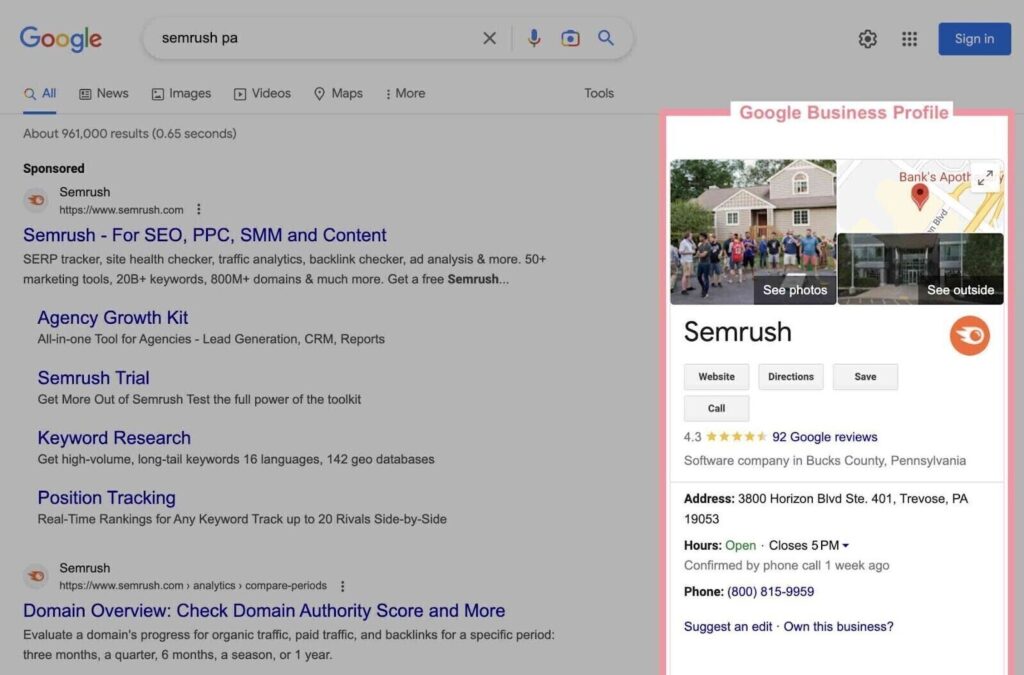
Imagine searching for your brand on Google and seeing a beautiful, information-rich box pop up on the right side of the results page — complete with your logo, social links, and key details.
That’s Google’s Knowledge Panel, and it can transform the way users perceive your brand. Whether you’re a business, personal brand, or organization, appearing in the Knowledge Panel builds authority, trust, and visibility.
In this article, we’ll break down what the Google Knowledge Panel is, how it works, why it matters, and step-by-step guidance on how you can optimize your presence to secure one.
What is Google’s Knowledge Panel?
The Google Knowledge Panel is the box that appears on the right side of Google Search Results (on desktop) or at the top on mobile. It pulls structured information about entities — like brands, people, places, or topics — from Google’s Knowledge Graph.
These panels typically display:
- Logo or featured image
- A short description (often from Wikipedia or trusted sources)
- Website & social media links
- Important facts like founding date, founder, headquarters, etc.
- Related searches and topics
Knowledge Panels differ from Featured Snippets, which answer a specific question at the top of search results. Panels focus on entity-based information.
How Does the Knowledge Panel Work?
Google’s Knowledge Panel relies on the Knowledge Graph — a massive structured database that connects information about people, places, and things.
Sources often include:
- Wikipedia & Wikidata
- Official Websites
- Authoritative databases
- Google My Business (for local entities)
- Schema markup
When Google identifies your brand as a notable entity with consistent, structured data across the web, it automatically generates a Knowledge Panel.
Why It Matters for Brands & SEO
Getting a Knowledge Panel can:
- ✅ Boost brand credibility instantly.
- 🌐 Improve click-through rates (CTR) — users trust brands with panels more.
- 📈 Strengthen entity-based SEO, helping your site rank better overall.
- 🔍 Give you control over what users see first about your brand.
For SEO strategists, Knowledge Panels are part of the future of search: Google is moving toward entity-first indexing, where understanding “who” or “what” a query is about is more important than just keywords.
How to Get a Knowledge Panel (Step-by-Step)
Step 1: Establish Your Brand as an Entity
- Create or update your Wikipedia & Wikidata entries (if eligible).
- Add detailed About pages on your website with consistent facts.
- Maintain consistent Name–Address–Phone (NAP) information.
Step 2: Use Schema Markup (Structured Data)
Implement schema markup on key pages (e.g., Organization, Person, LocalBusiness schema) to help Google identify entity attributes.
Tools like Google’s Structured Data Markup Helper or Yoast SEO plugin (which you already use) make this easy.
Step 3: Verify and Link Official Profiles
- Link your website to all social media profiles clearly.
- Add sameAs schema properties pointing to verified accounts.
- Make sure all platforms use the same brand name and logo.
Step 4: Get Mentioned on Authoritative Sources
Google uses third-party sites to validate your entity.
- Aim for press mentions, directory listings, or brand mentions on trusted industry sites.
- Guest posting and digital PR help build these signals.
Step 5: Use Google Business Profile (For Local)
If you’re a local agency, make sure your Google My Business profile is fully optimized — this often triggers a local Knowledge Panel quickly.
Step 6: Claim Your Panel
If a panel already exists, click “Claim this Knowledge Panel” at the bottom. Once verified, you can suggest edits, update details, and monitor changes.
Common Mistakes to Avoid
- ❌ Inconsistent information across platforms
- ❌ No structured data
- ❌ Lack of authoritative mentions
- ❌ Relying only on social media presence
- ❌ Ignoring Wikipedia/Wikidata (major data sources for panels)
Final Thoughts
Securing a Google Knowledge Panel isn’t about gaming the system — it’s about becoming a trusted, clearly defined entity online. For digital marketers and SEO strategists, this is a crucial step toward future-proofing your visibility in a search landscape dominated by AI and structured data.
If you’re building your brand’s online authority, start implementing schema, get consistent, and aim for reputable mentions — and the panel will follow.