PPC marketing has evolved significantly over the years, and in 2026, it is no longer just about bidding on keywords and paying for clicks. It has become a sophisticated, data-driven system powered by automation, audience insights, and intent-based targeting.
For businesses looking to stay competitive, understanding how pay per click works today is essential. This guide explains how PPC marketing operates in 2026, what has changed, and how to build effective campaigns.
What Is PPC Marketing?
PPC marketing, or pay per click, is a digital advertising model where advertisers pay a fee each time a user clicks on their ad.
Core concept
- Advertisers bid to display ads on search engines or platforms
- Ads appear based on relevance, intent, and bidding strategy
- Payment happens only when users click the ad
Where PPC ads appear
- Search engine results pages
- Social media platforms
- Shopping platforms
- Display networks
How PPC Marketing Works in 2026
The fundamentals of PPC still exist, but execution has become more advanced and automated.
Key components of modern PPC marketing
- AI-driven bidding systems
- Audience targeting based on behavior and intent
- Real-time optimization
- Cross-platform campaign management
Step-by-step process
- Advertiser creates a PPC advertising campaign
- Defines goals such as traffic, leads, or sales
- Selects target audience instead of only keywords
- Sets budget and bidding strategy
- Platforms use AI to optimize ad delivery
- Ads are shown to users most likely to convert
The Shift from Keywords to Intent
One of the biggest changes in digital PPC is the shift from keyword targeting to user intent.
Traditional approach
- Focused heavily on exact match keywords
- Relied on manual optimization
Modern approach
- Uses search intent signals
- Understands user behavior and context
- Predicts likelihood of conversion
Why this matters
- Better targeting accuracy
- Higher conversion rates
- Reduced wasted ad spend
Role of AI in PPC Ads
Artificial intelligence plays a central role in PPC advertising in 2026.
What AI handles
- Automated bidding
- Audience segmentation
- Ad copy optimization
- Performance prediction
Benefits of AI in PPC management
- Faster decision-making
- Improved efficiency
- Continuous optimization without manual effort
Types of PPC Advertising in 2026
PPC ads are no longer limited to search engines.
Popular types of PPC ads
- Search ads targeting high-intent users
- Display ads for brand awareness
- Shopping ads for e-commerce
- Video ads for engagement
- Native ads blending with content
Paid Search Advertising Explained
Paid search advertising remains a core part of PPC marketing.
How it works
- Ads appear at the top of search results
- Based on user queries and intent
- Ranking depends on bid and quality score
Key factors affecting ad position
- Relevance of ad copy
- Landing page experience
- Expected click-through rate
- Bid amount
PPC Management in 2026
PPC management has become more strategic and less manual.
What modern PPC management includes
- Campaign strategy planning
- Audience research
- Creative testing
- Performance tracking
- Budget allocation
Role of PPC professionals
- Focus on strategy rather than manual adjustments
- Interpret data and insights
- Align campaigns with business goals
PPC Companies and Services
Many businesses rely on PPC companies to manage campaigns effectively.
What PPC companies offer
- Campaign setup and management
- Keyword and audience research
- Ad creation and optimization
- Performance reporting
Choosing the right PPC services
- Look for proven experience
- Check case studies and results
- Ensure transparency in reporting
- Focus on ROI rather than just clicks
PPC Advertising Campaign Structure
A well-structured campaign is essential for success.
Basic structure
- Campaign level for overall goals and budget
- Ad group level for specific targeting
- Ad level for creatives and messaging
Best practices
- Keep ad groups focused
- Align ads with landing pages
- Test multiple variations
Budgeting and Bidding Strategies
Budget and bidding play a crucial role in PPC marketing.
Common bidding strategies
- Cost per click
- Cost per acquisition
- Return on ad spend focused bidding
Smart budgeting tips
- Allocate budget based on performance
- Invest more in high-converting campaigns
- Continuously monitor and adjust
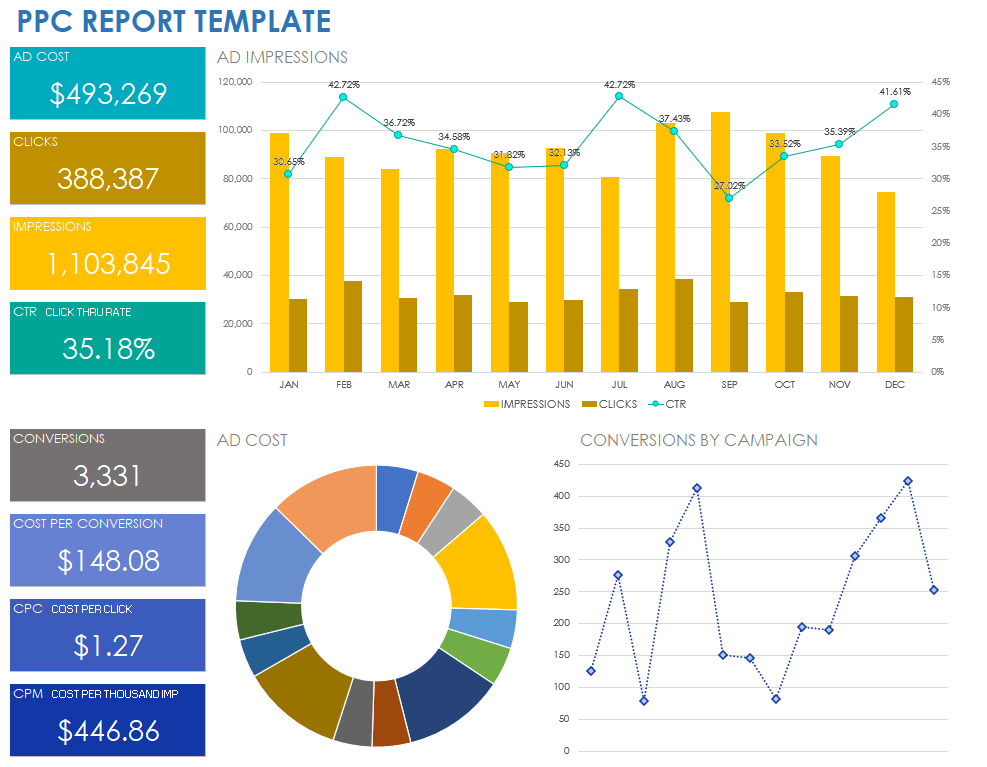
Measuring PPC Performance
Tracking performance is essential to understand campaign success.
Important metrics
- Click-through rate
- Conversion rate
- Cost per acquisition
- Return on ad spend
Modern marketing performance metrics
- Customer lifetime value
- Engagement quality
- Multi-touch attribution
Local PPC and “PPC Services Near Me”
Local PPC has become more effective with location-based targeting.
How local PPC works
- Targets users based on geographic location
- Uses real-time data and mobile signals
- Shows ads to nearby customers
Benefits
- Higher relevance
- Better conversion rates
- Increased foot traffic for local businesses
Challenges in PPC Marketing
Despite advancements, PPC still comes with challenges.
Common challenges
- Increasing competition
- Rising cost per click
- Ad fatigue
- Privacy restrictions
How to overcome them
- Focus on audience targeting
- Improve ad quality
- Use first-party data
- Test and optimize regularly
Future of Digital PPC
PPC marketing will continue to evolve with technology and user behavior.
Key trends to watch
- Greater reliance on automation
- Integration with AI-driven search experiences
- Increased importance of first-party data
- More emphasis on personalization
Key Takeaways
- PPC marketing in 2026 is driven by AI and user intent
- Keywords still matter but are no longer the main focus
- Audience targeting and automation improve performance
- Measuring meaningful metrics is essential
A strategic approach is key to long-term success