
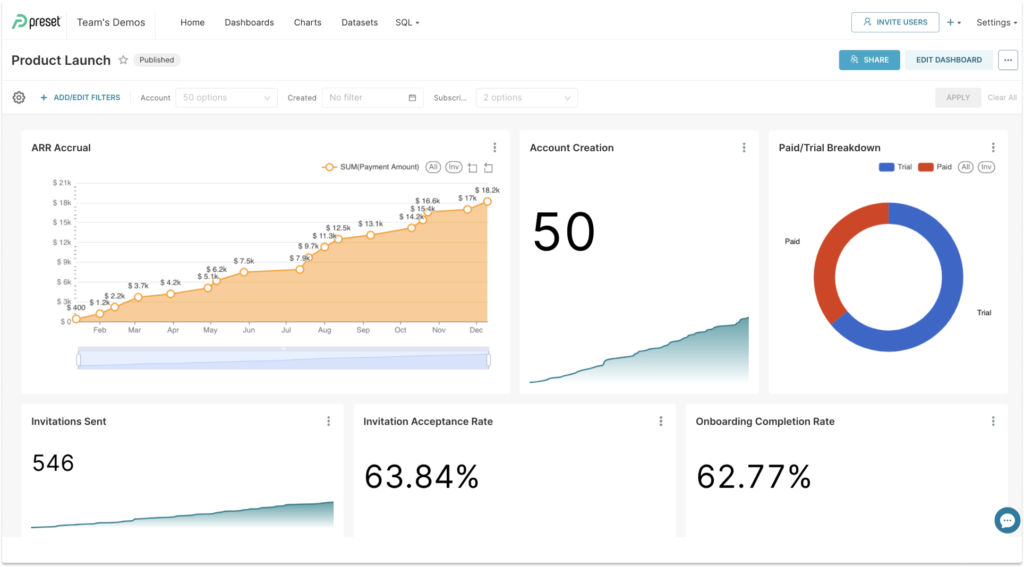
Marketing has changed dramatically over the past decade. With the rise of digital platforms, AI-driven search experiences, and shifting customer behavior, many traditional marketing metrics no longer tell the full story. What once worked as a reliable indicator of success can now be misleading, incomplete, or even harmful to decision-making.
If you are still relying heavily on outdated metrics, you may be optimizing for the wrong outcomes. This guide explores why old school marketing metrics fall short and what modern marketers should measure instead.
Why Traditional Marketing Metrics No Longer Work
In the past, marketing was simpler. Channels were limited, customer journeys were linear, and tracking was easier. Today, users interact across multiple platforms before making a decision.
Limitations of old metrics
- Focus on surface-level performance rather than real outcomes
- Ignore multi-channel customer journeys
- Fail to capture user intent and engagement quality
- Encourage short-term thinking instead of long-term growth
What has changed
- Customers research more before buying
- Trust and experience matter more than exposure
- Attribution is more complex due to multiple touchpoints
- Privacy changes limit tracking capabilities
Common Old School Marketing Metrics That Mislead
Many widely used metrics still appear in reports but no longer reflect true performance.
Vanity metrics
- Page views
- Impressions
- Social media likes and followers
These metrics may look impressive but do not necessarily translate into business results.
Click-based metrics
- Click-through rate
- Cost per click
While useful in context, they often fail to show whether clicks lead to meaningful engagement or conversions.
Last-click attribution
- Gives full credit to the final touchpoint
- Ignores the influence of earlier interactions
- Distorts marketing performance metrics
The Shift Toward Meaningful Marketing Measurement
Modern marketing requires a deeper understanding of customer behavior and value.
Key principles of better measurement
- Focus on outcomes, not just activity
- Measure the full customer journey
- Prioritize quality over quantity
- Align metrics with business goals
What to Measure Instead
To stay competitive, marketers must adopt smarter and more relevant marketing metrics.
Customer Value Metrics
Customer value metrics provide insight into long-term business growth rather than short-term wins.
Important customer value indicators
- Customer lifetime value
- Customer acquisition cost
- Ratio between acquisition cost and lifetime value
Why they matter
- Help assess sustainability of growth
- Focus on retaining valuable customers
- Encourage better resource allocation
Return on Ad Spend Done Right
Return on ad spend is still relevant, but it needs to be interpreted carefully.
Understanding return on ad spend
- Measures revenue generated for every unit spent on advertising
- Helps evaluate campaign efficiency
Limitations of basic ROAS marketing
- Does not account for profit margins
- Ignores long-term customer value
- Can encourage overspending on short-term gains
Better approach to ROAS advertising
- Combine with customer lifetime value
- Analyze across the entire funnel
- Consider contribution to overall business growth
Engagement Quality Metrics
Instead of counting clicks, focus on how users interact with your content.
Metrics that matter
- Time spent on page
- Scroll depth
- Repeat visits
- Content interaction rates
Why engagement quality matters
- Reflects genuine interest
- Indicates alignment with user intent
- Improves conversion potential
Conversion-Based Marketing KPIs
Conversions are still important, but the definition needs to expand.
Types of conversions to track
- Micro conversions such as sign-ups or downloads
- Macro conversions such as purchases or subscriptions
- Assisted conversions across channels
Benefits of broader tracking
- Provides a complete picture of the funnel
- Identifies bottlenecks in the customer journey
- Improves marketing performance metrics
Funnel-Based Metrics
Understanding how users move through your funnel is essential.
Key funnel stages
- Awareness
- Consideration
- Decision
Metrics to measure at each stage
- Awareness stage engagement
- Consideration stage interactions
- Decision stage conversion rates
Why funnel metrics matter
- Highlight where users drop off
- Help optimize each stage effectively
- Support better marketing measurement
Retention and Loyalty Metrics
Retention is often more valuable than acquisition.
Important retention metrics
- Customer retention rate
- Repeat purchase rate
- Churn rate
Why retention matters
- Reduces acquisition costs
- Builds long-term revenue
- Strengthens brand loyalty
Revenue-Centric Marketing Metrics
Ultimately, marketing should contribute to revenue and business growth.
Metrics to focus on
- Revenue per user
- Revenue per channel
- Incremental revenue from campaigns
Advantages
- Aligns marketing with business outcomes
- Helps justify marketing investments
- Encourages strategic decision-making
Attribution Models That Reflect Reality
Modern attribution models provide a more accurate picture of marketing performance.
Alternatives to last-click attribution
- Multi-touch attribution
- Data-driven attribution
- Position-based attribution
Benefits
- Recognizes contribution of multiple channels
- Improves budget allocation
- Enhances overall marketing success metrics
The Role of User Intent in Marketing Metrics
Understanding user intent is critical in today’s environment.
Types of user intent
- Informational intent
- Navigational intent
- Transactional intent
Why intent matters
- Helps create relevant content
- Improves targeting accuracy
- Increases conversion rates
Building a Modern Marketing KPI Framework
A strong framework combines multiple metrics for a balanced view.
Steps to build an effective framework
- Define clear business goals
- Identify relevant marketing KPIs
- Align metrics with customer journey stages
- Use a mix of short-term and long-term indicators
What to avoid
- Relying on a single metric
- Ignoring context behind data
- Overcomplicating measurement systems
Tools and Technologies for Better Measurement
Modern tools enable more accurate tracking and analysis.
Common tools used
- Analytics platforms
- Customer data platforms
- Marketing automation tools
Benefits of using advanced tools
- Better data integration
- Improved insights
- Enhanced decision-making
Challenges in Modern Marketing Measurement
Despite advancements, challenges still exist.
Common challenges
- Data privacy regulations
- Incomplete tracking
- Cross-device attribution issues
- Data overload
How to overcome them
- Focus on first-party data
- Use predictive analytics
- Simplify reporting
- Continuously refine measurement strategies
Key Takeaways
- Traditional marketing metrics often fail to reflect real performance
- Vanity metrics can be misleading and should not drive decisions
- Customer value metrics and revenue-focused indicators are more reliable
- Return on ad spend should be combined with long-term metrics
A balanced approach to marketing measurement leads to better outcomes