
Introduction
Imagine you publish a stellar article on your website. You share it on social media, but somehow it doesn’t reach the top of search results. You’re puzzled. Meanwhile, a competitor with fewer pages is ranking higher. What’s the missing piece? Often it’s not just the content — it’s the backlinks.
In simple words, backlinks are links from other websites pointing to your website. These links act like “votes of confidence” in the eyes of search engines. But not all backlinks are created equal — building the right ones is the real art. In this post, we’ll explore what backlinks are, why they matter, and most importantly, how to build backlinks the smart way in 2025.
What Are Backlinks?
A backlink (also called an inbound link or incoming link) is simply a hyperlink on one website that leads to a page on another website.
In SEO terms, backlinks tell search engines: “This content is valuable enough to be referenced.” According to several SEO sources, the quality and relevance of backlinks are major ranking factors.
Backlinks are like citations in academic papers. The more credible citations you get — from respected websites — the more authority your content holds. But quantity alone won’t win; quality, relevance, and context all matter.
Why Backlinks Matter in SEO
a) Authority & Trust
When high-authority websites link to your page, it acts as a signal to search engines that your site is trustworthy.
b) Improved Rankings
Backlinks help search engines determine ranking because they indicate your page is referenced by others. This gives you a better chance to rank higher for your target keywords.
c) Referral Traffic
Beyond rankings, backlinks can bring actual traffic from other sites. A well-placed link on a relevant site can drive visitors who are already interested in your niche.
d) Crawl & Indexing Support
Backlinks help search engine bots discover your pages faster. If your pages receive links, they’re more likely to be crawled and indexed.
Types of Backlinks You Should Know
Not all backlinks carry equal weight, so it’s important to understand the different types:
Editorial/in-content backlinks
Links embedded naturally within articles on other websites. Highly valuable.
Guest post backlinks
You write content on another site, and include a link back to yours.
Profile/backlinks in web directories, forums
Less valuable but may help if used judiciously.
Nofollow vs Dofollow
Dofollow backlinks pass authority (link-juice); nofollow may not pass authority directly but can still help in other ways.
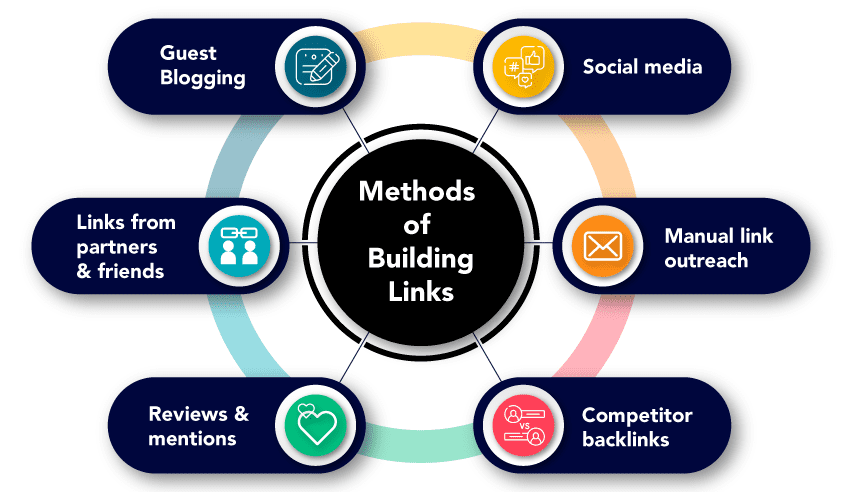
How to Build Backlinks: A Step-by-Step Strategy
Building backlinks effectively is part strategy, part creativity, and part relationship building. Here’s a step-by-step guide:
Audit & Prepare
- Identify pages on your website that are worth linking to (pillar content, resource pages).
- Check your current backlink profile using tools (Ahrefs, Moz, SEMrush).
- Remove or disavow any spammy links.
Create Link-Worthy Content
You won’t attract quality backlinks unless you offer something valuable. Ideas include:
- Ultimate guides or in-depth content on “what are backlinks” or “how to build backlinks”.
- Original research, case studies, data that others will want to cite.
- Infographics, interactive tools, or resources people can embed with a link.
Outreach & Guest Posting
- Identify websites in your niche with audiences similar to yours.
- Reach out with thoughtful pitches: “Here’s a guide on backlink building that might add value to your audience…”
- Write a guest post on that site and include a link to your resource.
- Ensure the backlink is embedded naturally within the content, not buried in footers.
Broken Link Building
A powerful technique:
- Find relevant articles with broken links (using tools or browser extensions).
- Reach out to site owners saying: “I noticed a broken link here. I created a similar resource that you might like.”
- Offer your page as the replacement and get the backlink in return.
Digital PR & Brand Mentions
- Get featured in industry blogs, news sites, or niche publications.
- Use platforms like HARO (Help a Reporter Out) to get mentions and links.
- These links are often editorial, which are very valuable.
Use Your Network
- Partner with related businesses, influencers, or bloggers.
- Participate in interviews, podcasts, or collaborations that include a link to your site.
- Use guest appearances to build your brand and backlinks.
Monitor & Maintain
- Regularly check new backlinks and referring domains.
- Keep your content updated — outdated pages may lose link value.
- Build a varied and natural backlink profile (many domains, natural anchor texts).
Common Mistakes in Link Building (and How to Avoid Them)
- Buying links or using link farms: This is risky and can lead to penalties.
- Over-optimised anchor text: Using the same keyword repeatedly in links looks unnatural.
- Ignoring relevance: A backlink from a site in an unrelated niche may have minimal value.
- Neglecting quality: 100 weak links are far less valuable than one strong link from an authoritative site.
- Lack of follow-up: Building a link once isn’t enough – maintain relationships and update content.
Backlink Building for New Websites
If your site is relatively new, here are some specific tips:
- Focus first on niche, smaller sites that are relevant and easier to win.
- Create high-quality content aimed at long-tail keywords (less competitive).
- Leverage your own network: ask partners, friends, or networks for a relevant mention/link.
- Be consistent: building authority and backlinks takes time.
- Document your outreach and track progress.
Measuring Backlink Success
What metrics matter?
- Referring domains: Number of unique websites linking to you.
- Domain Authority/Page Authority: Higher authority domains linking to you are better.
- Anchor text diversity: A healthy mix keeps link profiles natural.
- Traffic from referral links: Are you getting clicks?
- Ranking improvement: Has your target page moved up in SERPs?
- Link velocity: Building too many links too quickly looks suspicious; gradual growth is safer.
The Future of Backlink Building
As search engines evolve, backlink building also adapts:
- More emphasis on quality and relevance rather than volume.
- Context matters more: backlinks within relevant content carry more weight.
- Brand mentions (even unlinked) matter for entity-based SEO.
- AI and machine learning in search mean content and links that “make sense” topically will win.
- For 2025 and beyond, consider building links around value, relationships, and authoritative content rather than just link count.
Conclusion
Backlinks remain a foundational pillar of SEO strategy.
However, the true success in link building doesn’t come merely from collecting a large number of backlinks. Instead, it lies in earning the right kind of links — those that come from authoritative and relevant sources, are strategically embedded within valuable content, and are genuinely earned through authentic outreach and lasting relationships.
Therefore, if you’re ready to take your SEO efforts to the next level, start by asking yourself these key questions:
- “Does the page I want a link on provide value to its audience?”
- “Is the site linking to me authoritative in my niche?”
- “Is the anchor text natural and diverse?”
- “Is my content worth linking to?”
Master these questions, and your backlink strategy will move from “just links” to smart, sustainable growth.