
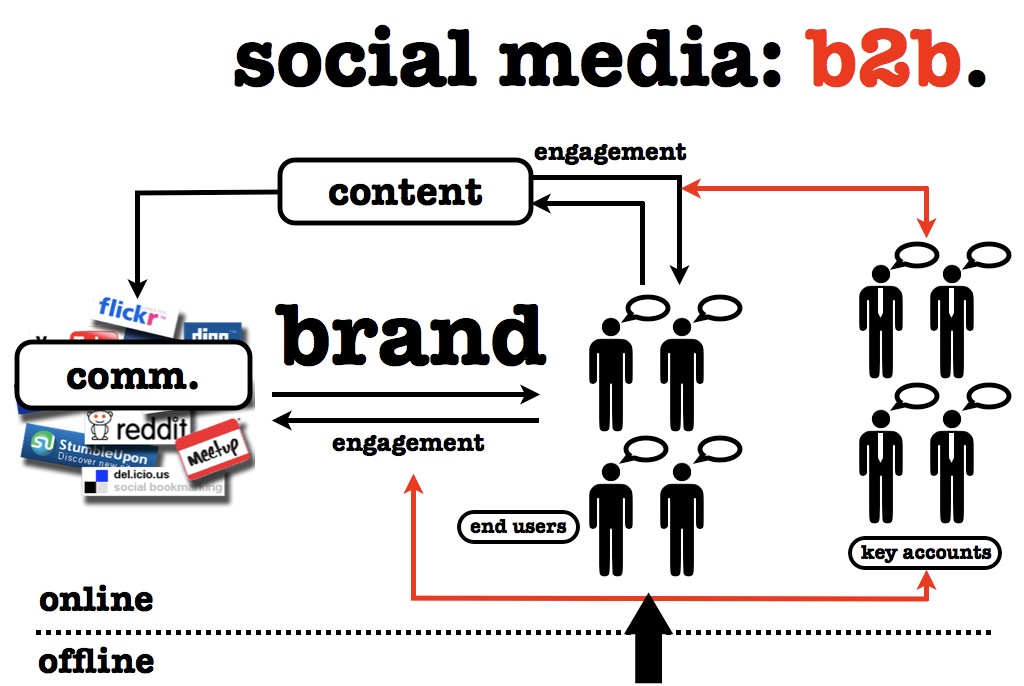
Social media has transformed how businesses communicate, build relationships, and generate leads. While many people associate social media platforms with consumer brands, they have also become powerful tools for business-to-business companies. Organizations that develop a clear and structured approach to social media can strengthen brand authority, build professional relationships, and attract qualified leads.
B2B social media marketing focuses on connecting businesses with decision-makers, industry professionals, and potential partners through social platforms. Instead of focusing on quick purchases, the goal is to build trust, share expertise, and support longer sales cycles.
A successful strategy requires thoughtful planning, strong branding, and consistent engagement. Businesses that approach marketing through social media with a clear plan are more likely to build meaningful connections and achieve measurable results.
This guide explores practical strategies that help organizations build an effective B2B social media marketing approach and maintain long-term growth.
Understanding the Role of Social Media in B2B Marketing
B2B marketing often involves complex decision-making processes. Purchases usually require research, internal discussions, and multiple approvals. Social media platforms provide an environment where companies can educate their audience, demonstrate expertise, and build relationships before a buying decision is made.
Effective marketing through social media allows businesses to:
- Build brand authority within their industry
- Connect with decision-makers and professionals
- Share valuable insights and expertise
- Promote services and solutions
- Drive traffic to websites and resources
- Support lead generation efforts
Rather than focusing solely on promotions, B2B social media marketing prioritizes thought leadership and relationship building.
Define Clear Business Goals
The foundation of any winning strategy begins with clearly defined goals. Without measurable objectives, it becomes difficult to evaluate the effectiveness of social media activities.
Common goals for B2B social media marketing include:
- Increasing brand awareness
- Generating qualified leads
- Building professional relationships
- Driving traffic to company websites
- Promoting industry expertise
- Supporting product launches or services
Defining goals also helps determine the type of content to create and the platforms that should be prioritized.
Identify the Target Audience
Understanding the audience is essential for effective communication. B2B companies often serve a specific group of professionals, industries, or organizations.
Audience research should focus on identifying:
- Industry sectors
- Job roles and responsibilities
- Business challenges and goals
- Preferred platforms for professional networking
- Content topics that provide value
By understanding the needs of the audience, businesses can create relevant content that addresses real challenges and interests.
Choose the Right Social Media Platforms
Not all social media platforms deliver the same value for B2B companies. Some platforms are better suited for professional networking and industry discussions.
Platforms often used for B2B social media marketing include:
- Professional networking platforms for connecting with industry leaders
- Content-sharing platforms for publishing articles and insights
- Video platforms for educational and product-related content
- Microblogging platforms for industry updates and discussions
Selecting platforms where the target audience is active helps maximize the impact of social media efforts.
Build a Strong Social Media Branding Strategy
Branding plays a key role in creating recognition and trust. Consistent messaging and visual identity across platforms strengthen brand perception.
Social media branding should focus on:
- Clear brand voice and tone
- Consistent visual design elements
- Professional and informative messaging
- Industry-focused communication
- Value-driven content
Strong social media branding helps businesses stand out and establish credibility within their industry.
Create Valuable and Educational Content
Content is the core of any successful social media marketing strategy. For B2B audiences, educational and informative content tends to perform better than purely promotional material.
Valuable content may include:
- Industry insights and trends
- Practical tips and strategies
- Research findings and reports
- Case studies demonstrating results
- Thought leadership articles
- Informational videos or webinars
Educational content positions a company as a knowledgeable resource, which builds trust with potential clients.
Develop a Consistent Posting Schedule
Consistency helps maintain audience engagement and ensures that social media channels remain active and relevant. Posting irregularly can reduce visibility and weaken audience interest.
A structured posting plan may include:
- Weekly educational content
- Industry news and updates
- Company announcements
- Client success stories
- Event promotions or webinars
Maintaining a regular schedule ensures that audiences continue to interact with the brand over time.
Encourage Engagement and Conversation
Social media is designed for interaction, not just broadcasting messages. Companies that actively engage with their audience create stronger relationships and build community.
Engagement strategies may include:
- Responding to comments and questions
- Participating in industry discussions
- Asking questions to encourage conversation
- Sharing user-generated content
- Highlighting customer success stories
These interactions make brands more approachable and help strengthen long-term relationships with potential clients.
Use Advertising on Social Media Strategically
Organic reach can be limited on many platforms. Advertising on social media can help businesses expand their reach and target specific professional audiences.
Social media advertising can support:
- Lead generation campaigns
- Product or service promotions
- Event registrations
- Content distribution
- Brand awareness initiatives
Effective campaigns often focus on delivering valuable resources such as white papers, webinars, or industry reports rather than direct sales messages.
Collaborate with a Social Media Agency
Some businesses choose to partner with a social media agency to improve strategy and execution. Agencies specializing in social media marketing services can provide expertise, tools, and resources that support business growth.
Working with professionals may help businesses:
- Develop a structured social media marketing strategy
- Create high-quality content
- Manage advertising campaigns
- Monitor analytics and performance
- Improve engagement and brand visibility
Partnering with experts can be especially helpful for companies that do not have dedicated internal marketing teams.
Measure Performance and Adjust Strategy
Tracking results is essential for improving social media performance. Monitoring key metrics helps businesses understand which tactics are working and which areas need improvement.
Important performance indicators may include:
- Audience growth
- Engagement levels
- Website traffic from social media
- Lead generation results
- Content reach and impressions
Regular analysis allows companies to refine their strategy and focus on tactics that deliver the strongest results.
Align Social Media with Overall Marketing Strategy
Social media marketing should not operate in isolation. It should support broader marketing goals and align with other channels such as content marketing, email campaigns, and website optimization.
Integration helps create a unified marketing approach where different channels reinforce one another.
Alignment may include:
- Promoting blog content on social media platforms
- Sharing event announcements and webinars
- Supporting product launches through multiple channels
- Encouraging newsletter signups
This coordinated approach strengthens brand messaging and improves overall marketing effectiveness.
Focus on Long-Term Relationship Building
B2B marketing often involves longer sales cycles. Potential clients may interact with a brand multiple times before making a purchasing decision.
Social media provides opportunities to maintain ongoing relationships with prospects by consistently sharing valuable information.
Relationship-building strategies include:
- Providing educational insights regularly
- Highlighting industry expertise
- Sharing success stories and client results
- Offering helpful resources
Over time, these efforts position the company as a trusted partner rather than just a service provider.
Adapt to Changing Social Media Trends
Social media platforms continue to evolve, introducing new features and content formats. Businesses that stay updated with emerging trends can maintain stronger engagement and visibility.
Adapting to changes may involve:
- Experimenting with new content formats
- Using video and visual storytelling
- Participating in industry conversations
- Exploring new advertising features
A flexible approach helps businesses remain competitive in the fast-changing digital environment.
Final Thoughts
A strong B2B social media marketing strategy requires planning, consistency, and a focus on delivering value. By understanding the audience, building strong branding, and sharing meaningful content, businesses can establish credibility and strengthen professional relationships.
Rather than focusing only on short-term promotions, successful companies use social media as a platform for education, engagement, and trust building.
With the right strategy, marketing through social media can become a powerful channel for brand growth, lead generation, and long-term business success.