
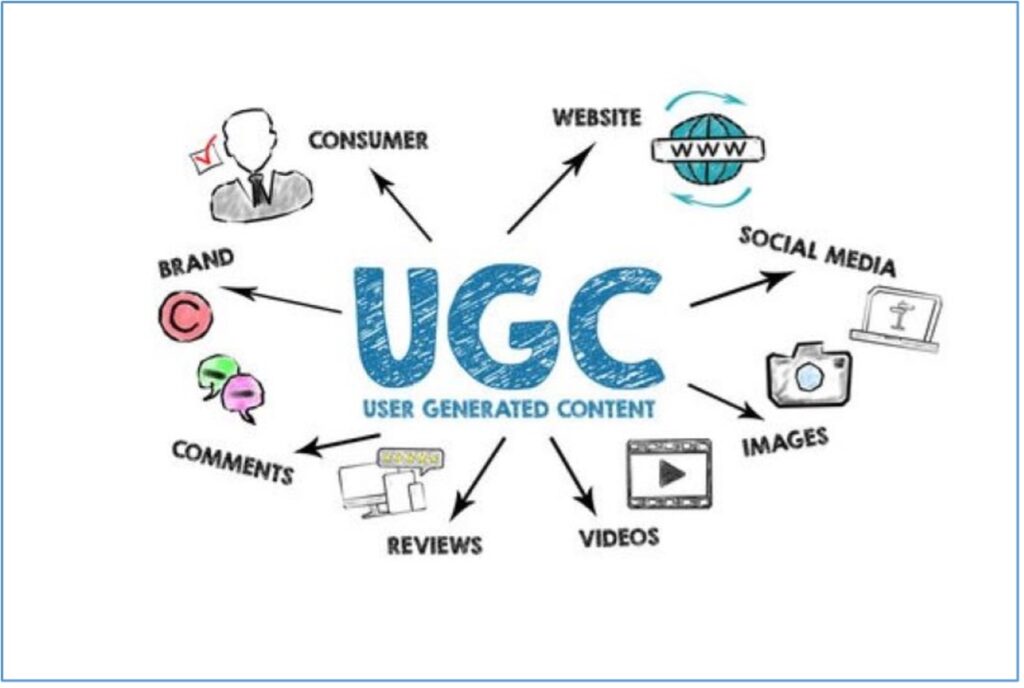
What Is User-Generated Content (UGC)?
User-generated content (UGC) refers to any form of content — videos, reviews, photos, testimonials, or even memes — created by customers rather than brands.
It’s the digital form of word-of-mouth marketing — raw, authentic, and immensely powerful.
From TikTok challenges to Instagram Reels, people love sharing their experiences with products they trust. When that happens, brands get a goldmine of authentic marketing material that feels real — not rehearsed.
Why UGC Matters in 2025
Let’s face it: audiences today don’t trust ads the way they used to. They crave authenticity over perfection.
A 2025 Nielsen report revealed that 92% of consumers trust UGC more than traditional advertising.
Here’s why UGC matters now more than ever:
- Authenticity sells. Real people sharing real experiences build emotional trust.
- Engagement soars. UGC posts generate up to 4x higher engagement on social media.
- Conversion improves. Landing pages with UGC see an average 29% higher conversion rate.
- Cost-effective content. You get fresh, high-quality visuals without expensive photo shoots.
Types of User-Generated Content (UGC)
Not all UGC is the same — and understanding the types helps you create a more strategic campaign.
- Reviews and Testimonials
Customer feedback, especially on platforms like Google, Amazon, or Trustpilot, remains the most common and credible form of UGC.
“87% of people say they trust a brand more after reading real user reviews.”
- Social Media Posts
When customers tag your brand on Instagram, X (Twitter), or TikTok — that’s free brand advocacy. These posts often go viral because they’re unfiltered.
- Video Content
UGC videos have exploded in 2025. Whether it’s product unboxing, tutorials, or reaction videos, short-form UGC dominates platforms like TikTok, YouTube Shorts, and Reels.
- Blog Posts and Articles
Some users go beyond a tweet — they write blog posts reviewing your product, often improving your SEO footprint with natural backlinks.
- Q&A Forums and Communities
Reddit, Quora, and Discord groups are thriving hubs for UGC. Discussions around brands create organic visibility and influence decision-making.
- Meme Marketing
Even memes count as UGC — when customers use humor and creativity to express their experience, it becomes viral branding fuel.
Benefits of UGC for Brands
Let’s explore what makes UGC one of the most powerful marketing tools in 2025.
- Builds Trust and Credibility
People trust peers more than polished ads. When real users share genuine opinions, your brand instantly becomes more relatable.
- Boosts Engagement
UGC encourages community participation. Brands that feature their customers’ content on social media often see engagement rates double.
- Enhances Brand Loyalty
Featuring customers in your campaigns shows appreciation. It builds emotional loyalty and long-term brand advocacy.
- Increases Conversions
Adding customer photos and reviews to your landing pages builds instant confidence — especially for first-time buyers.
- Strengthens SEO
User-generated content adds keyword-rich material to your site. Product reviews and testimonials naturally include relevant search phrases that help you rank.
How to Encourage User-Generated Content
If you’re wondering how to get your customers to create content for your brand, here are proven strategies:
- Create Branded Hashtags
Start a campaign-specific hashtag that encourages users to share their experience.
Example: #ShotOniPhone by Apple — one of the most successful UGC campaigns ever.
- Run Contests and Giveaways
Reward users for creating posts, videos, or stories around your product. People love recognition — and free products.
- Feature UGC on Your Website
Create a UGC gallery or testimonial section on your homepage. It boosts both aesthetics and trust.
- Engage with Creators
Reply, repost, and appreciate the creators who tag your brand. Engagement fuels more engagement.
- Offer Incentives
Discount codes, early access, or brand shoutouts are simple but effective ways to motivate UGC creators.
Top UGC Platforms in 2025
Here are some of the most popular UGC platforms that brands use today to collect, manage, and display user-generated content:
- Bazaarvoice – Great for collecting authentic reviews and ratings.
- Yotpo – Perfect for eCommerce sites wanting automated review collection.
- Taggbox – Aggregates social media UGC and embeds it on websites.
- Tint – A powerful UGC marketing platform used by big brands.
- Stackla – AI-driven UGC platform that identifies high-performing user content.
These tools simplify the process of discovering, curating, and publishing UGC while ensuring rights and permissions are handled legally.
How UGC Fits into Your Marketing Funnel
Let’s map UGC into your funnel for better clarity:
| Funnel Stage | Role of UGC | Example |
| Awareness | Showcase social mentions, influencer posts | “#MyFitJourney with Nike” |
| Consideration | Display testimonials, case studies | “How customers improved productivity using Notion” |
| Conversion | Add reviews, ratings, and photos on landing pages | Amazon-style reviews |
| Retention | Encourage repeat UGC sharing with loyalty programs | Starbucks Rewards user stories |
UGC isn’t just top-of-funnel fluff — it’s an ecosystem that nurtures prospects all the way to retention.
UGC Marketing Examples from Top Brands
- GoPro
Every piece of GoPro’s marketing is built around UGC.
Their “Video of the Day” campaign celebrates user-captured adventures, making their customers the heroes of the brand story.
- Starbucks
Starbucks’ “#RedCupContest” encouraged customers to post creative photos with holiday cups — resulting in millions of organic impressions.
- Airbnb
Airbnb’s Instagram features real user photos of stays — authentic storytelling that no ad could match.
- Glossier
Glossier thrives on customer reviews, selfies, and everyday beauty moments. Their UGC makes the brand look approachable and inclusive.
Best Practices for UGC Marketing in 2025
- Always Ask Permission – Get explicit consent before reusing user content.
- Diversify UGC – Don’t just stick to Instagram; explore YouTube Shorts, Reddit threads, or even Pinterest.
- Stay Authentic – Over-edited or staged UGC kills the natural vibe.
- Measure ROI – Use metrics like engagement, conversion lift, and sentiment analysis to gauge effectiveness.
- Leverage AI Tools – Tools like UGC Analyzer AI help identify the most impactful content automatically.
UGC and the Future of Brand Marketing
In 2025 and beyond, user-generated content is no longer optional.
It’s becoming the foundation of all successful brand storytelling.
We’re moving toward a world where every customer is a micro-influencer. The brands that empower their communities — not just market to them — will win.
UGC is proof that marketing doesn’t have to be loud, expensive, or fake. It just has to be human.