
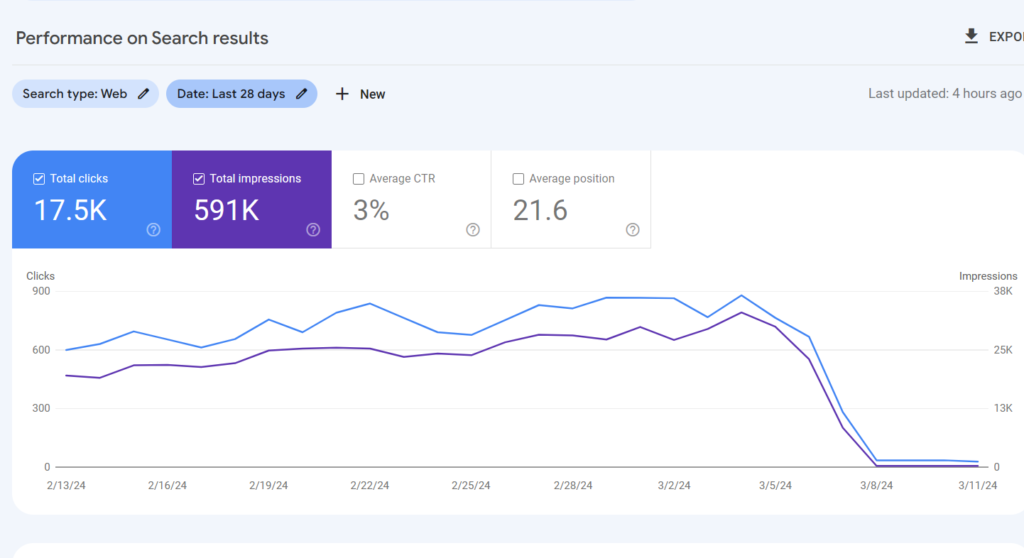
When my website ranking dropped for the first time, I panicked.
Traffic fell. Impressions declined. Clicks disappeared. I kept refreshing analytics, hoping it was a temporary glitch. It was not.
If you work in SEO long enough, you will eventually experience a ranking drop. The question is not whether it will happen. The real question is how you respond when it does.
In this article, I will walk through:
- SERP meaning and how rankings actually work
- The most common causes of keywords ranking drop
- How I diagnose the problem step by step
- Practical ways to fix a website ranking dropped situation
- Long-term strategies to protect visibility
This is not theory. This is the process I follow whenever my positions fall in the SERPs.
-
SERP Meaning: What We Are Really Competing For
Before fixing a ranking drop, I always revisit the basics.
SERP stands for Search Engine Results Page. It is the page displayed by search engines when someone types a query.
Modern SERPs are not just blue links. They include:
- Featured snippets
- People Also Ask boxes
- Image packs
- Video carousels
- Local packs
- Shopping results
- AI-generated summaries
This matters because sometimes a keywords ranking drop is not about losing authority. It is about changes in layout.
If a featured snippet appears above your result, your position may remain technically stable, but clicks decline.
Understanding SERP meaning helps me separate visibility loss from structural changes in search results.
-
Why Ranking Drops Happen
When my website ranking dropped, I learned not to assume the worst immediately. Ranking drops usually fall into one of these categories.
- Google Algorithm Updates
Search engines constantly refine how they evaluate:
- Content quality
- User experience
- Authority signals
- Spam detection
If a core update rolls out, volatility in the SERPs increases.
- Content Decay
Older content loses freshness over time.
- Statistics become outdated
- Competitors publish better guides
- Search intent evolves
Content decay is one of the most common causes of keywords ranking drop.
- Technical SEO Issues
A sudden website ranking dropped situation may come from:
- Noindex tags
- Robots.txt errors
- Broken internal links
- Server downtime
- Slow page speed
I always check technical issues before rewriting content.
- Backlink Loss
If authoritative links disappear:
- Domain authority weakens
- Trust signals decline
- Positions drop
- Increased Competition
Competitors may:
- Publish longer guides
- Build more backlinks
- Optimize better for search intent
Sometimes the issue is not what I did wrong. It is what others did better.
-
My Step-by-Step Diagnosis Process
When I notice a ranking drop, I do not guess. I follow a checklist.
Step 1. Confirm the Drop
I check:
- Google Search Console
- Keyword tracking tools
- Analytics traffic sources
I compare:
- Last 7 days vs previous 7 days
- Last 28 days vs previous period
- Year-over-year data
Sometimes what feels dramatic is just seasonal fluctuation.
Step 2. Identify Affected Pages
I isolate:
- Which pages lost rankings
- Which keywords dropped
- Whether the drop is site-wide or page-specific
If the whole domain is affected, it may be algorithmic or technical.
If only one page dropped, it is likely content-related.
Step 3. Check for Manual Actions
In Search Console, I review:
- Manual actions
- Security issues
If none exist, I move on.
Step 4. Review Technical SEO
I audit:
- Index coverage
- Crawl errors
- Core Web Vitals
- Mobile usability
A single accidental noindex tag can cause a website ranking dropped crisis overnight.
Step 5. Analyze SERP Changes
I search the target keyword and observe:
- New featured snippets
- AI summaries
- More videos appearing
- More ecommerce results
If the SERP layout changed, I adjust strategy accordingly.
-
How I Fix a Keywords Ranking Drop
Once I identify the cause, I act systematically.
- Update and Improve Content
If content decay is the issue, I:
- Update outdated statistics
- Add new sections
- Improve readability
- Strengthen internal links
- Align content with current search intent
I ask:
- Is this still the best result for this query
- Does it fully answer user questions
- Is it better than the top 3 competitors
If not, I rebuild it.
- Match Search Intent Precisely
Search intent shifts over time.
For example:
- Informational intent
- Transactional intent
- Comparison intent
- Local intent
If the SERP now favors listicles and I wrote a short opinion piece, I adapt.
Matching intent is often the fastest way to recover.
- Strengthen Internal Linking
Internal links:
- Pass authority
- Help search engines understand relevance
- Improve crawl efficiency
When my website ranking dropped, improving internal structure often helped restore positions.
- Rebuild Lost Backlinks
If backlink loss caused the drop, I:
- Check referring domains
- Identify broken links
- Reach out for link restoration
- Build new quality backlinks
Authority still matters in competitive SERPs.
- Improve User Experience
Search engines increasingly evaluate:
- Page speed
- Mobile usability
- Engagement metrics
If bounce rate increases and time on page drops, rankings may follow.
I optimize:
- Loading speed
- Clear headings
- Better formatting
- Stronger introductions
-
Recovering From Algorithm Updates
If the drop aligns with a core update, I avoid panic changes.
Instead, I focus on:
- Content depth
- Author credibility
- Topical authority
- Removing thin content
- Improving overall site quality
Algorithm recoveries often take time.
Patience plus consistent improvement usually wins over drastic rewrites.
-
When the Entire Website Ranking Dropped
A domain-wide decline requires broader action.
I evaluate:
- Site architecture
- Crawl budget issues
- Thin content clusters
- Duplicate content
- E-E-A-T signals
I sometimes:
- Consolidate similar posts
- Redirect outdated pages
- Delete low-quality content
Cleaning up weak pages strengthens overall authority.
-
Preventing Future SERP Ranking Drops
After experiencing multiple fluctuations, I built preventive habits.
- Quarterly Content Audits
Every quarter I:
- Identify declining pages
- Refresh high-potential posts
- Merge overlapping content
- Build Topical Authority
Instead of random posts, I create clusters:
- Pillar content
- Supporting articles
- Interlinked resources
Topical depth stabilizes SERP positions.
- Diversify Traffic Sources
Relying only on search traffic is risky.
I build:
- Email lists
- Social media presence
- Direct traffic channels
This reduces emotional stress during ranking drops.
- Monitor Early Signals
I track:
- Impressions decline
- Position changes
- CTR shifts
Catching a keywords ranking drop early makes recovery easier.
-
The Emotional Side of Ranking Drops
I would be dishonest if I ignored the emotional impact.
When rankings fall:
- Motivation declines
- Doubt increases
- Productivity slows
But I have learned that SERP volatility is normal.
Instead of reacting emotionally, I:
- Follow a checklist
- Make data-driven decisions
- Focus on long-term growth
Consistency beats panic.
-
Key Lessons I Have Learned
- Not every ranking drop is a penalty
- Technical issues are often overlooked
- Search intent changes faster than we expect
- Authority compounds over time
- SEO is long-term, not instant
Understanding SERPs as dynamic systems helps me adapt instead of fear fluctuations.
Conclusion
A website ranking dropped situation feels urgent, but most ranking drops are fixable.
By understanding SERP meaning, analyzing causes carefully, improving content quality, optimizing technical SEO, and strengthening authority signals, recovery is possible.
Search engines reward relevance, clarity, authority, and user satisfaction. When I align my strategy with those principles, rankings stabilize.
Ranking drops are not the end of growth. They are signals.
When I respond with structure, patience, and strategic action, the SERPs eventually respond back.