
If you’ve started learning SEO or blogging, you’ve probably come across the terms “long tail keywords” and “short tail keywords.” Understanding the difference between them can completely change how your content performs in search engines.
Many beginners make the mistake of targeting only broad, high-traffic keywords. While these may look attractive, they are often highly competitive and difficult to rank for. On the other hand, long tail keywords offer a more practical path to steady growth.
This guide explains both types clearly and shows you how to use them effectively in your content strategy.
What Are Short Tail Keywords
Short tail keywords are broad search terms that usually consist of one or two words.
Examples include:
- SEO
- PCOS
- weight loss
- skincare
Characteristics of Short Tail Keywords
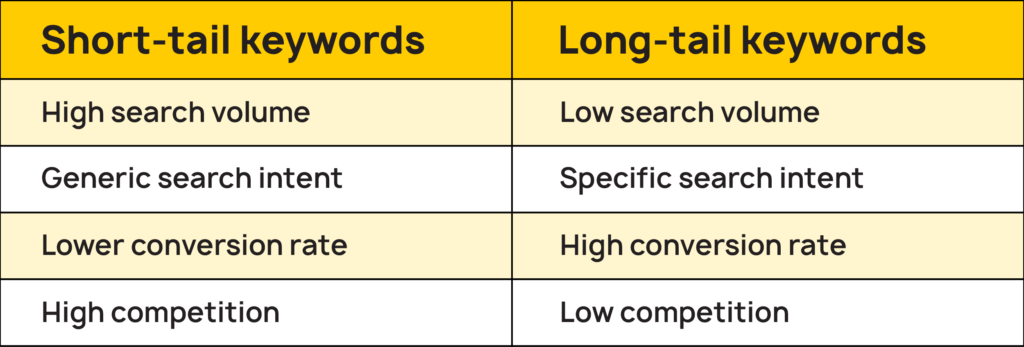
- High search volume
- Very broad intent
- High competition
- Difficult to rank for new websites
These keywords attract a large audience, but they are not very specific. This means users searching for them may have different intentions.
What Are Long Tail Keywords
Long tail keywords are more specific search phrases that usually contain three or more words.
Examples include:
- how to treat PCOS naturally
- best skincare routine for oily skin
- how to lose weight after pregnancy
Characteristics of Long Tail Keywords
- Lower search volume
- More specific intent
- Lower competition
- Easier to rank for
These keywords target a more focused audience, which often leads to better engagement and conversions.
Long Tail Keywords vs Short Tail Keywords – Key Differences
Understanding the differences helps you choose the right keywords for your content.
Search Volume
- Short tail keywords attract more searches
- Long tail keywords have lower but more targeted traffic
Competition
- Short tail keywords are highly competitive
- Long tail keywords are easier to rank for
Search Intent
- Short tail keywords have broad intent
- Long tail keywords reflect clear user intent
Conversion Potential
- Short tail keywords bring general traffic
- Long tail keywords attract users ready to take action
Why Long Tail Keywords Are Better for Beginners
If your website is new, long tail keywords are your best starting point.
They help you:
- Rank faster
- Build initial traffic
- Target specific audience needs
- Gain confidence in SEO
Instead of competing with large websites, you focus on smaller, achievable opportunities.
When to Use Short Tail Keywords
Short tail keywords are not useless. They play an important role in long-term strategy.
You can use them:
- In pillar articles
- For building topical authority
- As part of your overall keyword strategy
However, ranking for them usually takes time and strong domain authority.
How to Find Long Tail Keywords
Finding the right long tail keywords is essential for success.
Use Keyword Research Tools
Tools like Semrush and Ahrefs help you discover keyword variations.
They provide:
- Keyword suggestions
- Search volume
- Competition level
Use Search Engine Suggestions
- Look at autocomplete suggestions
- Check related searches at the bottom of results
These often reveal real user queries.
Analyze Questions People Ask
- Focus on “how,” “why,” and “what” queries
- These are usually long tail keywords
What Is a Seed Keyword
A seed keyword is a basic term used to generate more keyword ideas.
Examples:
- PCOS
- SEO
- fitness
From one seed keyword, you can create many long tail variations.
For example:
- PCOS symptoms
- PCOS diet plan
- PCOS weight gain causes
Seed keywords form the foundation of your keyword research.
How to Use Long Tail Keywords in Content
Using keywords correctly is as important as choosing them.
Include Naturally in Content
- Use keywords in headings
- Add them in introduction and conclusion
- Avoid forcing them
Match Search Intent
- Understand what the user is looking for
- Provide clear and useful answers
Create Dedicated Articles
Each long tail keyword should have:
- A focused topic
- Clear structure
- Detailed explanation
Common Mistakes to Avoid
Targeting Only Short Tail Keywords
This makes ranking very difficult, especially for new websites.
Ignoring Keyword Intent
Even with low competition, content won’t rank if it doesn’t match intent.
Overusing Keywords
Stuffing keywords makes content hard to read and affects rankings.
Not Updating Strategy
SEO is not static. Keyword trends change over time.
Best Strategy for Beginners
A balanced approach works best.
- Start with long tail keywords
- Build traffic gradually
- Create supporting articles
- Link them to a main pillar page
- Move to competitive keywords later
This strategy helps you grow consistently without wasting effort.
Real Example to Understand Better
Let’s take a simple example.
Short Tail Keyword
- PCOS
Very competitive and broad.
Long Tail Keywords
- early signs of PCOS in women
- how to manage PCOS naturally
- PCOS symptoms in teenagers
These are easier to rank and target specific audiences.
Long-Term SEO Growth Strategy
To grow your website:
- Focus on long tail keywords initially
- Build topical authority
- Improve content quality
- Gain backlinks over time
As your authority increases, you can target more competitive keywords.
Final Thoughts
Understanding long tail keywords vs short tail keywords is essential for building a successful SEO strategy.
Short tail keywords may bring high traffic, but they are difficult to rank for. Long tail keywords, on the other hand, offer a practical and effective way to grow your website steadily.
By focusing on specific, low-competition keywords and creating valuable content, you can build a strong foundation for long-term success.