A successful marketing strategy begins with a clear understanding of the people you want to reach. Many businesses invest time and money into promotional campaigns, yet fail to see meaningful results because they try to market to everyone. When a brand attempts to speak to a broad and undefined group, the message becomes diluted and ineffective.
Understanding your target audience helps you create focused marketing and strategy efforts that resonate with the right people. Instead of guessing what customers want, you rely on insights that guide your marketing plan, messaging, and promotional strategies.
Whether you are a small business owner, a startup founder, or a marketing strategist, identifying and understanding your audience is the foundation of effective marketing. This guide explains how to define your target market, perform target audience analysis, and build a business marketing plan that truly connects with your ideal customer.
What Is a Target Audience?
A target audience refers to the specific group of people most likely to be interested in your product, service, or brand. These individuals share common characteristics such as demographics, interests, needs, and behaviors.
Your target audience is not simply anyone who might buy your product. Instead, it is the group that benefits most from what you offer and is most likely to engage with your brand.
Understanding this group allows you to:
- Design more effective promotional strategies
• Create relevant content and messaging
• Allocate marketing resources wisely
• Improve conversion rates
• Strengthen brand loyalty
When businesses try to reach everyone, they often reach no one effectively. A well-defined target consumer allows your brand to communicate with clarity and purpose.
Target Audience vs Target Market
The terms target audience and target market are often used interchangeably, but they have slightly different meanings within a marketing strategy.
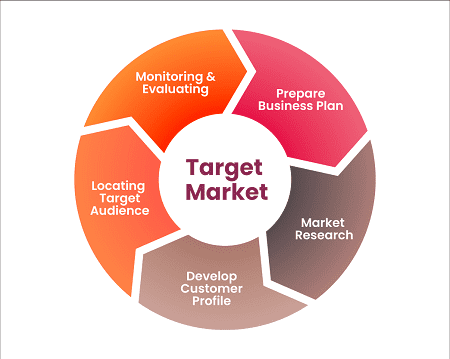
The target market refers to the broader group of potential customers your product is designed for.
The target audience is a more specific segment of that market that your marketing message is directed toward.
For example:
- Target market: working professionals interested in productivity tools
• Target audience: remote workers aged twenty five to forty who use digital task management apps
Understanding this distinction helps marketing strategists refine campaigns and deliver messages that truly resonate with the right people.
Why Knowing Your Target Audience Matters
Every successful business marketing plan is built on customer insight. When you clearly understand your brand audience, your marketing and strategy efforts become more effective.
Key benefits include:
More Effective Marketing Messages
When you know who your audience is, you can craft messaging that speaks directly to their needs, problems, and goals.
Instead of generic advertising, you create communication that feels personal and relevant.
Better Product Positioning
Understanding your target consumer helps you position your product as the best solution to their problem.
This improves both brand perception and purchase intent.
Improved Marketing Efficiency
A clear target audience helps you focus your promotional strategies on channels and platforms where your customers are most active.
This reduces wasted marketing budget and increases return on investment.
Stronger Customer Relationships
Brands that understand their audience build deeper connections with customers. This leads to long term loyalty and stronger brand advocacy.
How to Identify Your Target Audience
Finding your ideal audience requires research and analysis. A thoughtful approach ensures that your marketing strategy is guided by real insights rather than assumptions.
Analyze Your Existing Customers
Your current customers provide valuable clues about who your ideal audience might be.
Look for patterns such as:
- Age group
• Location
• Occupation
• Buying behavior
• Interests and lifestyle
These insights help marketing strategists refine their target audience analysis and better understand who already values the brand.
Study Your Competitors
Competitor analysis can reveal important information about the market and customer preferences.
Examine:
- Who competitors are targeting
• Their messaging and positioning
• Customer engagement on social media
• Reviews and feedback from their customers
This research helps you identify opportunities and gaps within your target market.
Conduct Audience Research
Research tools and surveys help gather valuable insights about your audience.
Methods may include:
- Online surveys
• Social media polls
• Customer interviews
• Website analytics
• Search behavior analysis
These insights help businesses refine their marketing plan and ensure they truly understand the needs of their target consumer.
Key Factors in Target Audience Analysis
A comprehensive target audience analysis considers several dimensions that shape customer behavior.
Demographics
Demographic information provides basic details about your audience.
Examples include:
- Age
• Gender
• Education
• Occupation
• Income level
• Geographic location
These factors help businesses determine whether their product aligns with the needs of specific groups.
Psychographics
Psychographic analysis explores the motivations and lifestyles of your audience.
Key factors include:
- Values
• Interests
• Lifestyle choices
• Personality traits
• Attitudes toward products or services
Understanding these elements helps brands create messaging that resonates emotionally with their audience.
Behavioral Insights
Behavioral data reveals how customers interact with products and brands.
Important factors include:
- Purchasing habits
• Brand loyalty
• Product usage patterns
• Online browsing behavior
These insights help refine promotional strategies and ensure campaigns reach the right people at the right time.
Creating Audience Personas
One effective way to understand your brand audience is by creating audience personas.
An audience persona is a fictional representation of your ideal customer based on research and data. It helps marketing teams visualize the people they are trying to reach.
A typical persona might include:
- Name and background
• Job role or profession
• Goals and motivations
• Challenges or pain points
• Preferred communication channels
• Buying behavior
Personas help marketing strategists design campaigns that feel relevant and personalized.
How to Find My Audience Online
Digital marketing has made it easier than ever to identify and reach your audience. Businesses can use data driven tools to better understand who their customers are.
Common methods include:
- Website analytics that track visitor behavior
• Social media insights that reveal audience demographics
• Keyword research that shows what users search for
• Email engagement data that indicates interest levels
These tools help businesses refine their marketing and strategy approach while continuously improving audience targeting.
Aligning Marketing Strategy With Audience Needs
Once you understand your target audience, the next step is to align your marketing strategy with their needs and expectations.
Choose the Right Marketing Channels
Different audiences prefer different platforms.
For example:
- Younger audiences may engage more on social media
• Professionals may respond better to email newsletters or professional networks
• Local audiences may respond to community events or local advertising
Selecting the right channels ensures you effectively reach your audience.
Develop Relevant Content
Content should address the problems and interests of your audience.
Examples include:
- Educational blog articles
• Informational videos
• Social media posts
• Guides and tutorials
Content that provides real value builds trust and strengthens the relationship between brand and audience.
Create Clear Messaging
Your messaging should highlight how your product or service solves your audience’s problem.
Effective messaging focuses on:
- Benefits rather than features
• Clear and simple language
• Addressing customer pain points
This approach helps brands communicate their value effectively.
Integrating Audience Insights Into a Business Marketing Plan
A business marketing plan should be built around audience understanding.
Key elements include:
Market Research
Understanding your target market and competitors helps businesses identify opportunities and risks.
Audience Segmentation
Dividing your audience into smaller groups allows for more personalized communication.
Segments may be based on:
- Demographics
• Behavior
• Interests
• Purchase patterns
Promotional Strategies
Promotional strategies should match the preferences and habits of your audience.
Examples include:
- Content marketing
• Social media campaigns
• Email marketing
• Influencer collaborations
• Paid advertising
Aligning promotional strategies with audience behavior improves engagement and campaign effectiveness.
Common Mistakes in Target Audience Identification
Even experienced marketing strategists can make mistakes when defining their audience.
Common pitfalls include:
Targeting Too Broad an Audience
Trying to reach everyone often leads to weak messaging and poor results.
Ignoring Data and Research
Assumptions about customers can lead to ineffective marketing plans. Data driven insights are essential for accurate target audience analysis.
Failing to Update Audience Insights
Customer preferences and behaviors evolve over time. Businesses must regularly review their audience insights to stay relevant.
Overlooking Customer Feedback
Customer reviews, comments, and support inquiries provide valuable insights into audience needs.
Ignoring this feedback can limit the effectiveness of marketing strategies.
The Role of Target Audience in Various Marketing Strategies
Different marketing approaches rely heavily on understanding the audience.
Examples include:
Content Marketing
Content must address the interests and problems of the target consumer.
Social Media Marketing
Social platforms require tailored messaging based on audience preferences and behavior.
Email Marketing
Personalized email campaigns rely on audience segmentation and behavioral insights.
Advertising Campaigns
Paid advertising performs best when it targets specific audience groups rather than broad markets.
In every case, knowing your audience allows businesses to deliver relevant and meaningful communication.
Building Long Term Connections With Your Audience
Understanding your audience is not a one time activity. It is an ongoing process that evolves as markets and consumer behaviors change.
Brands that continually listen to their customers can adapt their marketing strategy and remain competitive.
To build lasting relationships with your audience:
- Monitor customer feedback and engagement
• Track changes in audience behavior
• Update audience personas regularly
• Test new promotional strategies
• Focus on delivering consistent value
When businesses prioritize audience understanding, they create marketing strategies that feel authentic and meaningful.
Conclusion
Knowing your target audience is one of the most important aspects of a successful marketing strategy. It shapes how businesses communicate, what products they develop, and how they connect with customers.
Through thoughtful target audience analysis, businesses can identify their ideal customers, understand their needs, and create a focused marketing plan that drives results.
Rather than spreading marketing efforts across a broad and undefined market, successful brands focus on the people who truly benefit from their products or services.
When businesses understand their audience, they build stronger relationships, deliver more relevant experiences, and ultimately achieve more sustainable growth.