
Creating blog posts that rank well on search engines while still engaging readers is both an art and a strategy. Many beginners focus either on writing or SEO, but the real impact comes from combining both effectively.
This guide explains how to write SEO friendly blog posts step by step for beginners in a clear, practical way without overcomplicating the process.
What is an SEO Friendly Blog Post
An SEO friendly blog post is content that is optimized to rank on search engines while also being valuable and easy to read for users.
It balances:
- Search engine visibility
- Reader experience
- Content quality
The goal is not just traffic but meaningful engagement.
Start with Keyword Research
Before writing, you need to understand what people are searching for.
Find the Right Keyword
- Focus on long-tail keywords with lower competition
- Choose keywords that match user intent
- Avoid targeting very broad terms initially
Understand Search Intent
Every keyword has a purpose behind it:
- Informational
- Transactional
- Navigational
Your content should match what the reader expects.
Create a Clear Content Structure
A well-structured blog post helps both readers and search engines.
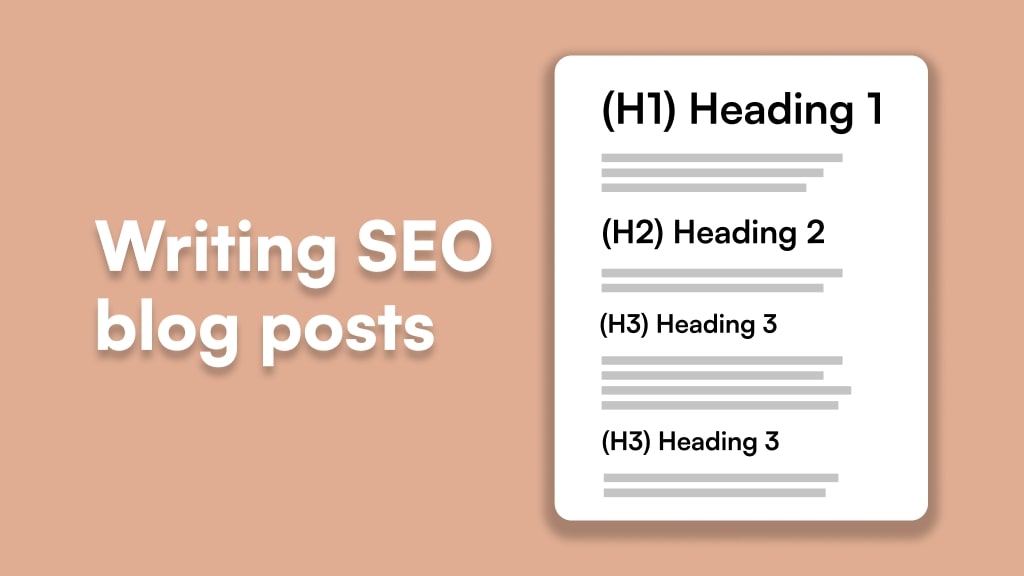
Use Proper Headings
- Use one main heading
- Break content into sections using subheadings
- Keep headings descriptive and simple
Keep Paragraphs Readable
- Use short paragraphs
- Avoid large blocks of text
- Use bullets where needed
Write a Strong Introduction
Your introduction should:
- Clearly explain what the article is about
- Address the reader’s problem
- Encourage them to keep reading
Avoid unnecessary filler content at the beginning.
Use Keywords Naturally
Keywords are important, but overuse can harm your rankings.
Best Practices
- Include the keyword in the title
- Add it in the introduction naturally
- Use variations throughout the content
Avoid forcing the keyword into every sentence.
Focus on High-Quality Content
Content quality is the most important ranking factor.
What Makes Content Valuable
- Clear explanations
- Practical insights
- Easy-to-understand language
- Relevant examples
Search engines prioritize content that genuinely helps users.
Optimize On-Page Elements
On-page SEO plays a key role in ranking.
Title Optimization
- Keep it clear and engaging
- Include the main keyword
- Make it click-worthy
Meta Description
- Summarize the article
- Keep it concise
- Encourage clicks
URL Structure
- Keep URLs short
- Include the keyword
- Avoid unnecessary words
Improve Readability
Readable content keeps users on your page longer.
Simple Techniques
- Use conversational language
- Avoid complex sentences
- Break content into sections
Good readability improves user experience and SEO performance.
Add Internal and External Links
Links help search engines understand your content better.
Internal Linking
- Link to related blog posts on your site
- Helps improve site structure
- Keeps users engaged longer
External Linking
- Link to reliable sources
- Adds credibility to your content
Optimize Images
Images enhance user experience and support SEO.
Best Practices
- Use relevant images
- Add descriptive alt text
- Compress images for faster loading
Fast-loading pages rank better and reduce bounce rates.
Make Your Content Mobile Friendly
Most users access content on mobile devices.
Ensure Mobile Optimization
- Use responsive design
- Keep fonts readable
- Avoid cluttered layouts
Mobile-friendly content improves rankings and user experience.
Improve Page Speed
Page speed is a critical ranking factor.
Ways to Improve Speed
- Optimize images
- Use lightweight themes
- Minimize unnecessary scripts
Faster websites provide a better user experience.
Write Engaging Content
Engagement signals help improve SEO performance.
Keep Readers Interested
- Ask questions
- Use relatable examples
- Maintain a natural flow
The longer users stay, the better your rankings can become.
Update Content Regularly
SEO is not a one-time task.
Keep Content Fresh
- Update outdated information
- Add new insights
- Improve existing sections
Regular updates help maintain rankings.
Avoid Common SEO Mistakes
Many beginners unknowingly harm their SEO efforts.
Mistakes to Avoid
- Keyword stuffing
- Ignoring search intent
- Writing only for search engines
- Poor formatting
- Not optimizing meta tags
Avoiding these mistakes improves your chances of ranking.
Final Thoughts
If you still wonder, how to write seo friendly blog posts step by step for beginners? Writing SEO friendly blog posts is about balance. It is not just about ranking on search engines or writing for readers alone. It is about creating content that satisfies both.
With consistent practice, you will improve your ability to write content that ranks, engages, and delivers value.