
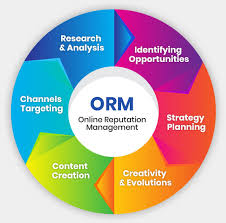
In today’s digital world, a brand’s reputation is no longer shaped only by word of mouth or traditional advertising. Instead, it is strongly influenced by what people see and read online. Customer reviews, social media discussions, blog posts, and search engine results all contribute to how a business or individual is perceived. This is where online reputation management becomes essential.
Online reputation management refers to the process of monitoring, influencing, and maintaining a positive digital image for a brand, organization, or individual. It involves managing online content, responding to feedback, and promoting positive information to ensure that the overall perception remains favorable.
Businesses of all sizes are affected by their online presence. A single negative review or misleading piece of information can influence potential customers. Therefore, having a structured approach to reputation management is an important part of modern digital marketing strategies.
This article explains the concept of online reputation management, its importance, different types, and the tools and strategies businesses can use to maintain a strong digital reputation.
What Is Online Reputation Management
Online reputation management focuses on shaping how a brand or individual is perceived on the internet. It includes monitoring mentions, responding to feedback, and promoting positive content across various digital channels.
This process typically involves several activities:
- monitoring search engine results and online mentions
• responding to customer reviews and comments
• managing social media discussions
• publishing positive and informative content
• addressing negative feedback professionally
The goal of online orm is not only to repair damage but also to build and maintain a trustworthy image over time.
Why Online Reputation Management Is Important
A business’s online reputation can significantly influence customer decisions. Many consumers research brands online before making a purchase or using a service.
Effective reputation management offers several benefits.
Builds Customer Trust
When potential customers see positive reviews, active communication, and helpful responses from a brand, they are more likely to trust that company.
Influences Purchase Decisions
Online reviews and feedback often guide customer choices. A strong digital reputation can encourage people to choose one brand over another.
Improves Brand Visibility
Positive online content and strong customer engagement can improve visibility in search engine results.
Helps Manage Crisis Situations
Proper reputation management allows businesses to address negative situations quickly and professionally before they escalate.
Sources That Influence Online Reputation
Many digital channels contribute to a brand’s reputation. Businesses must monitor several sources to maintain a positive presence online.
Key sources include:
- search engine results
• customer review websites
• social media platforms
• blog posts and articles
• online forums and discussions
Each of these channels can shape how customers perceive a brand.
Types of Online Reputation Management
Businesses often use multiple approaches to manage their online reputation effectively.
Below are common types of online reputation management.
Proactive Reputation Management
This approach focuses on building a strong online presence before issues arise.
Common strategies include:
- publishing informative and helpful content
• encouraging satisfied customers to leave reviews
• maintaining active communication with audiences
Proactive management helps create a positive image that can withstand occasional negative feedback.
Reactive Reputation Management
Reactive strategies are used when negative feedback or criticism appears online.
Actions may include:
- responding to customer complaints
• correcting inaccurate information
• providing solutions to dissatisfied customers
Handling negative situations professionally can prevent long term damage to the brand.
Review Management
Customer reviews are one of the most influential aspects of digital reputation.
Review management includes:
- monitoring reviews across platforms
• responding to positive and negative feedback
• encouraging genuine customer reviews
This approach helps maintain transparency and credibility.
Content Based Reputation Management
Content marketing also plays a role in shaping reputation.
Businesses may publish content such as:
- blog posts
• press releases
• case studies
• educational articles
These materials help present the brand in a positive and informative way.
Role of Online ORM in Digital Marketing
Online orm is closely connected to digital marketing strategies. It supports several marketing activities and helps strengthen brand credibility.
Benefits of integrating reputation management into marketing include:
- improved search engine visibility
• stronger brand authority
• better customer relationships
• increased trust and credibility
By combining reputation management with marketing strategies, businesses can create a consistent and reliable online presence.
Using Email Marketing for Reputation Management
Email communication can also support reputation management. Through email marketing platforms, businesses can maintain relationships with customers and share valuable information.
Email marketing can help strengthen reputation by:
- providing helpful updates and information
• responding to customer concerns
• sharing brand stories and achievements
• offering customer support
Regular communication helps maintain transparency and build trust.
Newsletter Marketing and Brand Trust
Newsletter marketing is another effective way to maintain a positive digital image. Sending newsletters allows businesses to stay connected with their audience while sharing relevant content.
Benefits of newsletters include:
- strengthening customer relationships
• providing educational or informative content
• promoting new products or services
• encouraging feedback from subscribers
Consistent newsletters show that the brand values communication and customer engagement.
Email Ads and Brand Promotion
Email ads can complement broader reputation management strategies by promoting valuable products or services to targeted audiences.
Effective email ads often include:
- clear messaging
• relevant offers or promotions
• helpful information for readers
When executed thoughtfully, email ads can improve brand perception and customer satisfaction.
Tools Used in Reputation Management
Businesses often rely on digital tools to track and manage their online reputation more efficiently.
Common tools help with:
- monitoring brand mentions across websites
• tracking customer reviews and ratings
• analyzing social media conversations
• measuring brand sentiment
These tools provide insights that help businesses respond quickly and effectively.
Role of Reputation Management Services
Some organizations choose to work with a reputation management service to manage their digital presence professionally.
These services typically provide:
- monitoring of brand mentions
• response management for reviews and comments
• crisis management strategies
• content creation and promotion
Professional support can help businesses maintain a consistent reputation management strategy.
Challenges in Online Reputation Management
Managing digital reputation can be complex, especially for large organizations with significant online activity.
Common challenges include:
- handling negative reviews publicly
• responding quickly to customer concerns
• managing misinformation or inaccurate content
• maintaining consistent communication across channels
Overcoming these challenges requires planning, monitoring, and a clear strategy.
Best Practices for Managing Online Reputation
Businesses can adopt several best practices to maintain a strong digital reputation.
These practices include:
- monitoring online mentions regularly
• responding politely and professionally to feedback
• encouraging satisfied customers to share reviews
• maintaining transparency and honesty
• publishing informative and helpful content
Consistency and professionalism are key elements of successful reputation management.
Importance of Customer Communication
Open communication with customers helps prevent misunderstandings and builds stronger relationships.
Businesses can maintain effective communication by:
- answering customer questions promptly
• providing helpful support through multiple channels
• acknowledging customer feedback
• addressing complaints constructively
These efforts help reinforce trust and credibility.
The Future of Online Reputation Management
As digital platforms continue to evolve, reputation management will remain an essential part of business strategy.
Future developments may include:
- advanced monitoring tools powered by artificial intelligence
• more personalized communication with customers
• increased focus on transparency and authenticity
• stronger integration with digital marketing strategies
Businesses that prioritize reputation management will be better prepared to adapt to changing digital environments.
Conclusion
Online reputation management plays a crucial role in shaping how businesses and individuals are perceived in the digital world. From monitoring online mentions to responding to customer feedback, managing reputation requires continuous effort and strategic planning.
By combining proactive and reactive approaches, businesses can build trust, maintain credibility, and address potential challenges effectively. Tools such as email marketing platforms, newsletter marketing, and digital monitoring solutions can support these efforts.
Whether managed internally or through professional reputation management services, maintaining a positive online presence is essential for long term success in today’s connected environment.
Organizations that invest in strong online orm strategies can build lasting relationships with their audience and create a reliable and trustworthy brand image.