
Consumer markets have never been more dynamic. What once followed a relatively predictable path — awareness, consideration, purchase — has evolved into a layered, fragmented, and highly personalized process. Today, consumer buying behaviour reflects a world shaped by digital transformation, social influence, data-driven marketing, and shifting psychological drivers.
The increased complexity of how people make purchasing decisions presents both challenges and opportunities for brands. Understanding this shift is no longer optional. It is fundamental to effective buyer behaviour in marketing.
This article explores how and why consumer purchase behaviour has become more complex, the key drivers behind these changes, the evolving types of buying behaviour, and how businesses can respond strategically.
What Is Consumer Buying Behaviour?
Consumer buying behaviour refers to the processes individuals go through when selecting, purchasing, using, and evaluating products or services. It includes psychological, social, cultural, and economic influences that shape decisions.
Traditionally, customer buying behaviour was studied through linear models such as:
- Problem recognition
- Information search
- Evaluation of alternatives
- Purchase decision
- Post-purchase evaluation
While these stages still exist conceptually, modern buying patterns rarely move in a straight line.
Why Consumer Buying Behaviour Has Become More Complex
Several structural shifts have contributed to the increased complexity of decision-making:
-
Information Overload
Consumers now have instant access to:
- Reviews
- Social proof
- Influencer recommendations
- Product comparisons
- Price tracking tools
This abundance of information can empower buyers but also create analysis paralysis.
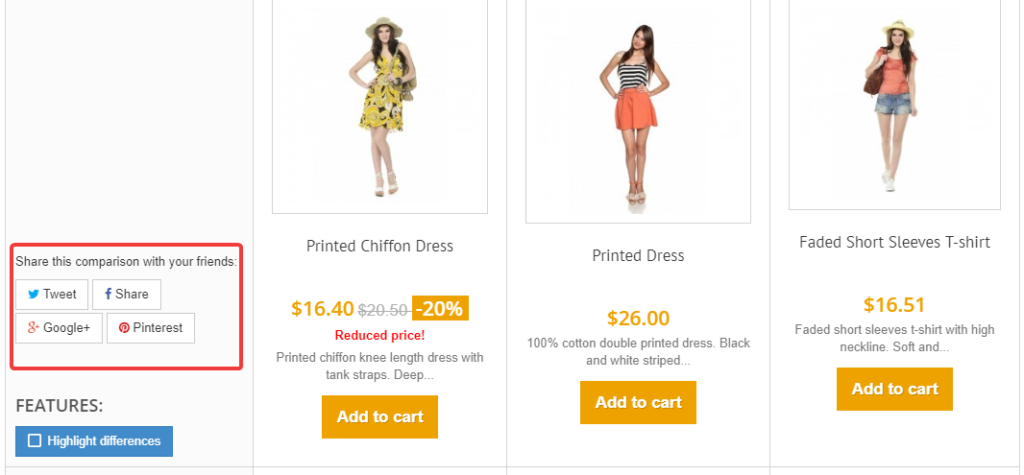
A single purchase might involve browsing multiple websites, reading user-generated content, watching video reviews, and comparing competitors across platforms.
-
Multi-Channel Journeys
Customer purchasing behaviour no longer occurs in a single location.
A typical journey might include:
- Seeing an Instagram advertisement
- Reading blog reviews
- Visiting a physical store
- Comparing prices on marketplaces
- Completing the purchase via mobile
This blending of offline and online touchpoints creates non-linear buying patterns that are difficult to predict.
-
Rise of Emotional and Value-Based Buying
Modern consumers increasingly prioritize:
- Sustainability
- Ethical sourcing
- Brand transparency
- Social responsibility
Buyer behaviour concepts now extend beyond price and utility. Identity, alignment with values, and community belonging influence decisions significantly.
-
Hyper-Personalization
AI-driven recommendation engines personalize experiences based on:
- Browsing history
- Past purchases
- Demographics
- Behavioural data
While personalization improves relevance, it also shapes perception and subtly influences choices.
-
Increased Product Choices
Market saturation has expanded options in nearly every category. More choices mean:
- More comparison
- Longer decision cycles
- Greater need for differentiation
This contributes directly to the increased complexity of consumer purchase behaviour.
Psychological Drivers Behind Modern Buying Decisions
Understanding buyer behaviour in marketing requires analyzing internal motivations.
-
Cognitive Biases
Consumers are influenced by biases such as:
- Anchoring (first price seen shapes perception)
- Social proof (others’ opinions guide decisions)
- Scarcity effect (limited availability increases urgency)
These subconscious factors complicate rational decision-making.
-
Risk Reduction
Customers attempt to minimize perceived risk by:
- Reading reviews
- Checking return policies
- Comparing ratings
- Seeking peer validation
The more expensive or emotionally significant the purchase, the more complex the evaluation process.
-
Instant Gratification vs. Delayed Evaluation
Digital platforms encourage quick decisions, but high-involvement purchases still involve extended research. Consumers often shift between impulsive and deliberate decision modes.
Types of Buying Behaviour in Today’s Market
Marketing theory identifies several types of buying behaviour. While these categories remain relevant, digital influence has blurred their boundaries.
-
Complex Buying Behaviour
Occurs when consumers are highly involved and perceive significant differences between brands.
Examples:
- Electronics
- Automobiles
- Financial services
Here, customer buying behaviour includes deep research and extended comparison.
-
Dissonance-Reducing Buying Behaviour
Consumers are highly involved but see little difference between brands.
They may:
- Purchase quickly
- Seek reassurance afterward
Post-purchase communication becomes critical in this category.
-
Habitual Buying Behaviour
Low involvement and few perceived differences characterize this type.
However, even routine purchases are now influenced by:
- Discounts
- Loyalty programs
- Online ratings
Digital exposure disrupts habitual patterns.
-
Variety-Seeking Buying Behaviour
Consumers switch brands for novelty rather than dissatisfaction.
Social media trends and influencer marketing amplify this pattern.
The Impact of Technology on Buying Patterns
Technology is a primary driver of the increased complexity in consumer buying behaviour.
-
Social Media Influence
Platforms shape perception through:
- User-generated content
- Influencer endorsements
- Algorithm-driven discovery
Purchasing decisions may begin with entertainment rather than intent.
-
Mobile Commerce
Mobile devices enable:
- Instant price comparison
- Location-based offers
- In-the-moment reviews
Customer purchasing behaviour has become immediate and context-driven.
-
AI and Predictive Analytics
AI tools anticipate needs based on behavioural signals.
This creates:
- Targeted advertisements
- Dynamic pricing
- Personalized product suggestions
While convenient, it also alters the natural decision flow.
Cultural and Social Shifts
Beyond technology, societal changes influence buyer behaviour concepts.
-
Globalization
Consumers access global brands easily, increasing comparison and expectations.
-
Peer Communities
Online forums and communities heavily influence consumer purchase behaviour.
-
Economic Uncertainty
Financial instability encourages cautious spending and deeper evaluation.
The Non-Linear Purchase Journey
Modern buying behaviour often looks like this:
- Awareness
- Exploration
- Social validation
- Comparison
- Abandonment
- Retargeting exposure
- Reconsideration
- Purchase
- Post-purchase sharing
Consumers frequently revisit earlier stages before finalizing a decision.
Post-Purchase Behaviour Matters More Than Ever
Customer buying behaviour does not end at checkout.
Post-purchase actions include:
- Writing reviews
- Sharing experiences
- Seeking support
- Comparing with alternatives
Brands must focus on retention and advocacy.
How Businesses Can Adapt
Given the increased complexity of customer purchasing behaviour, companies must adjust strategies.
-
Prioritize Trust
Trust is built through:
- Transparent policies
- Clear communication
- Authentic reviews
Trust reduces perceived risk.
-
Simplify Decision-Making
Offer:
- Clear comparisons
- Honest pricing
- Easy navigation
Reducing friction improves conversion.
-
Embrace Omnichannel Integration
Ensure consistency across:
- Website
- Social media
- Physical stores
- Customer service
Fragmentation increases confusion.
-
Use Data Ethically
Personalization should enhance value without invading privacy.
-
Focus on Customer Experience
Seamless checkout, responsive support, and reliable delivery influence repeat purchases.
The Role of Emotion in Modern Buyer Behaviour
Emotion significantly shapes consumer purchase behaviour.
Customers often choose brands that:
- Reflect personal identity
- Provide belonging
- Offer reassurance
Marketing that appeals to values, storytelling, and authenticity resonates more deeply.
Future Trends in Consumer Buying Behaviour
Looking ahead, several trends will continue shaping buying patterns:
- Increased AI integration
- Voice search commerce
- Augmented reality shopping
- Subscription-based models
- Sustainability-driven purchasing
Complexity will continue to grow rather than simplify.
Key Takeaways
- Consumer buying behaviour is no longer linear.
- Digital transformation has expanded decision touchpoints.
- Emotional, social, and ethical factors strongly influence purchases.
- Technology accelerates comparison and evaluation.
- Businesses must simplify experiences to navigate increased complexity.
Understanding buyer behaviour in marketing requires recognizing that consumers are more informed, more connected, and more selective than ever.