
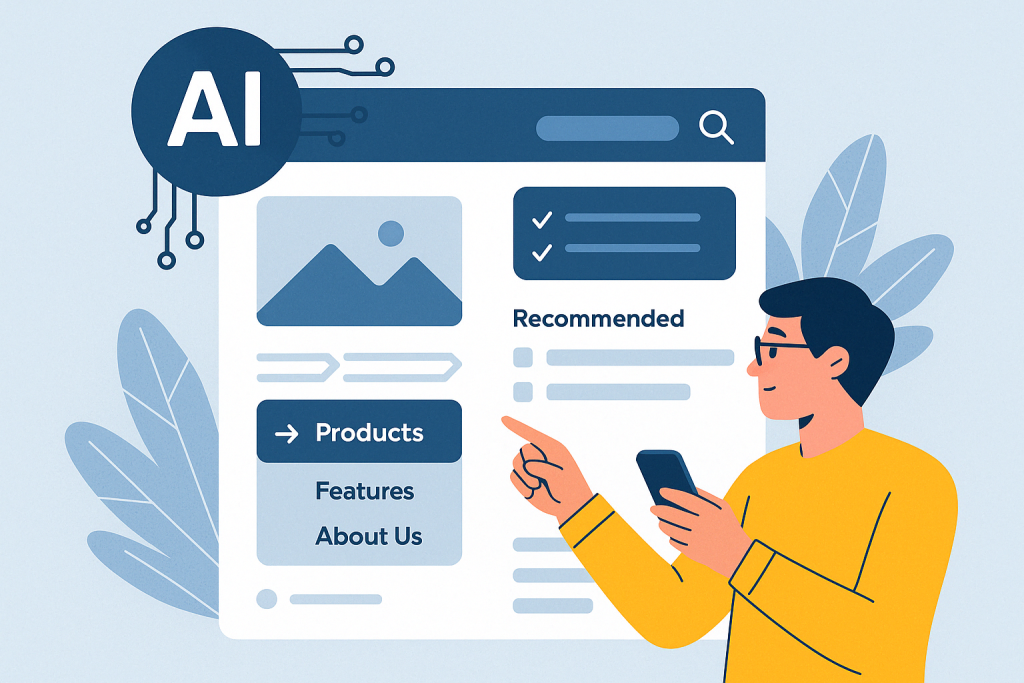
Search has changed more in the last three years than it did in the previous decade. Artificial intelligence is now embedded into search engines, content creation tools, analytics platforms, and user interfaces. At the same time, traditional SEO principles such as keyword research, technical optimization, and authority building still matter.
This intersection has given rise to a new approach: hybrid SEO.
Hybrid SEO acts as a bridge between conventional search engine optimization and AI-driven systems. It combines proven SEO marketing fundamentals with artificial intelligence tools and machine learning insights. Instead of replacing SEO, AI enhances and accelerates it.
This article explores:
- What hybrid SEO means
- Why traditional SEO alone is no longer enough
- How AI SEO is transforming digital marketing
- Key components of a hybrid strategy
- Practical implementation steps
- The role of SEO agencies in this shift
- The future of marketing & SEO in an AI-first world
What Is Hybrid SEO?
Hybrid SEO is a strategic framework that merges traditional SEO methodologies with AI-powered SEO tools and systems.
Traditional SEO focuses on:
- Keyword research
- On-page optimization
- Technical audits
- Backlink building
- Content structure
- Search intent alignment
AI SEO introduces:
- Predictive keyword analysis
- Automated content generation
- Machine learning-based SERP insights
- User behavior modeling
- Real-time optimization
Hybrid SEO integrates both approaches into a unified system.
Instead of asking whether SEO or AI SEO is superior, hybrid SEO recognizes that sustainable results require both human strategy and machine intelligence.
Why Traditional SEO Alone Is No Longer Enough
SEO has always evolved alongside search engines. However, recent changes have accelerated the need for adaptation.
Search engines now:
- Use machine learning to interpret intent
- Generate AI summaries in results
- Personalize search experiences
- Evaluate content quality at scale
Traditional SEO tactics such as exact keyword targeting and static content optimization are no longer sufficient in isolation.
For example:
- Keyword stuffing no longer works
- Thin content is easily identified
- Low-quality backlinks are penalized
- User experience metrics influence rankings
AI systems now assess context, relevance, and semantic depth rather than simple keyword matching.
This shift requires SEO professionals to integrate AI for SEO into their workflow while maintaining strategic oversight.
Understanding AI SEO
AI SEO refers to the use of artificial intelligence technologies to enhance search optimization processes.
AI-powered SEO tools can:
- Analyze large datasets quickly
- Identify hidden keyword patterns
- Detect content gaps
- Predict ranking potential
- Suggest structural improvements
For example, AI can evaluate top-ranking pages for a query and identify:
- Common semantic phrases
- Structural similarities
- Content depth benchmarks
- Engagement indicators
However, AI alone cannot replace strategic thinking. Automated systems may produce technically optimized content, but without human refinement, content may lack originality, clarity, and brand voice.
This is where hybrid SEO becomes critical.
The Core Components of Hybrid SEO
Hybrid SEO combines human expertise and AI tools across several dimensions.
-
Data-Driven Keyword Strategy
Traditional keyword research identifies search volume and competition.
AI enhances this process by:
- Detecting long-tail variations
- Clustering semantically related terms
- Forecasting traffic potential
- Identifying emerging trends
In hybrid SEO, keyword research becomes predictive rather than reactive.
-
Search Intent Modeling
Understanding intent remains central to SEO marketing success.
AI tools analyze:
- SERP features
- User behavior data
- Click-through patterns
- Engagement signals
Hybrid SEO uses AI to model intent patterns, while human experts ensure content aligns with brand positioning and audience needs.
-
AI-Assisted Content Creation
AI can accelerate drafting processes and generate outlines, summaries, and topic expansions.
However, hybrid SEO ensures that:
- Human editors refine structure
- Fact-checking is rigorous
- Brand voice is preserved
- Insights are original
This balanced approach prevents generic output while leveraging AI efficiency.
-
Technical Optimization at Scale
Technical SEO can be complex and time-consuming.
AI-powered SEO systems can:
- Detect crawl issues
- Identify duplicate content
- Analyze site architecture
- Monitor Core Web Vitals
Hybrid SEO integrates automated audits with manual prioritization to ensure strategic alignment.
-
Predictive Analytics
AI for SEO enables forecasting.
By analyzing historical data, AI can predict:
- Ranking fluctuations
- Traffic seasonality
- Content decay patterns
- Conversion trends
Human interpretation ensures predictions translate into actionable strategy.
How Hybrid SEO Strengthens Competitive Advantage
Organizations that adopt hybrid SEO gain several advantages.
-
Faster Execution
AI reduces time spent on repetitive tasks such as:
- Data collection
- Topic clustering
- SERP analysis
This frees up teams to focus on strategy and creativity.
-
Higher Content Precision
AI tools surface semantic relationships that may be overlooked manually. This improves topical authority.
-
Scalable Optimization
Large websites benefit from automated monitoring and updates, reducing risk of unnoticed ranking drops.
-
Enhanced Personalization
AI enables segmentation and personalized content strategies, aligning with modern search behavior.
The Role of an SEO Agency in the Hybrid Era
The expectations from an SEO agency have shifted.
Previously, agencies focused primarily on:
- Keyword targeting
- Link building
- Content publishing
Now, agencies must integrate AI and SEO strategies effectively.
A forward-thinking SEO agency should:
- Use AI for research and insights
- Maintain strong editorial standards
- Provide technical expertise
- Develop data-backed marketing & SEO plans
Clients increasingly demand transparency, predictive performance metrics, and scalable systems.
Hybrid SEO enables agencies to meet these expectations without sacrificing quality.
Implementing Hybrid SEO: A Step-by-Step Framework
Transitioning to hybrid SEO requires structured planning.
Step 1: Audit Current SEO Performance
Evaluate:
- Keyword rankings
- Traffic trends
- Technical health
- Backlink profile
- Content depth
Identify areas where AI tools can enhance analysis.
Step 2: Integrate AI Tools Strategically
Select AI platforms that support:
- Keyword clustering
- Content optimization
- Technical monitoring
- Performance forecasting
Avoid over-reliance on automation without oversight.
Step 3: Develop AI and SEO Strategies Together
Align:
- Content calendar planning
- Topic authority building
- User journey mapping
- Conversion optimization
Ensure AI insights inform human strategy rather than dictate it.
Step 4: Optimize Content Continuously
Hybrid SEO is iterative.
Use AI to:
- Detect ranking shifts
- Identify underperforming pages
- Suggest content refresh opportunities
Combine this with editorial judgment and subject matter expertise.
Step 5: Monitor and Refine
Measure performance through:
- Organic traffic growth
- Engagement metrics
- Conversion rates
- Ranking stability
Adapt strategies based on data and emerging trends.
Challenges of Hybrid SEO
While promising, hybrid SEO presents challenges.
-
Over-Automation Risk
Excessive reliance on AI can produce generic or repetitive content.
-
Ethical Concerns
Transparency and originality remain critical in AI-assisted content production.
-
Skill Gaps
Marketing teams must develop both technical and AI literacy skills.
Balancing efficiency with authenticity remains essential.
The Future of Marketing & SEO
Search engines continue integrating AI-generated results and conversational interfaces.
Future developments may include:
- Greater personalization
- Real-time content adaptation
- Voice and multimodal search expansion
- AI-generated search summaries
Hybrid SEO prepares organizations for this evolving landscape.
Instead of resisting AI, hybrid strategies harness its capabilities while maintaining strategic human control.
Why Hybrid SEO Represents the Next Evolution
Hybrid SEO acknowledges two truths:
- SEO remains foundational to online visibility.
- AI is reshaping how search engines evaluate and display content.
Organizations that cling solely to traditional methods risk stagnation. Those who depend entirely on automation risk losing authenticity and differentiation.
A balanced approach ensures:
- Data-backed decision-making
- Scalable optimization
- High-quality content
- Strategic adaptability
Hybrid SEO is not a temporary trend. It reflects the structural transformation of search.
Conclusion
The relationship between SEO and artificial intelligence is no longer optional. It is structural. Search engines are powered by AI. Content tools are powered by AI. Analytics platforms rely on machine learning.
Hybrid SEO bridges the gap between established SEO marketing principles and modern AI-driven systems.
By combining:
- Strategic human insight
- AI-powered analysis
- Technical excellence
- Continuous optimization
Businesses can build resilient, scalable, and future-ready search strategies.
As digital ecosystems become more complex, hybrid SEO offers clarity. It ensures that AI enhances human expertise rather than replacing it. It transforms SEO from a reactive discipline into a predictive, data-driven growth engine.